
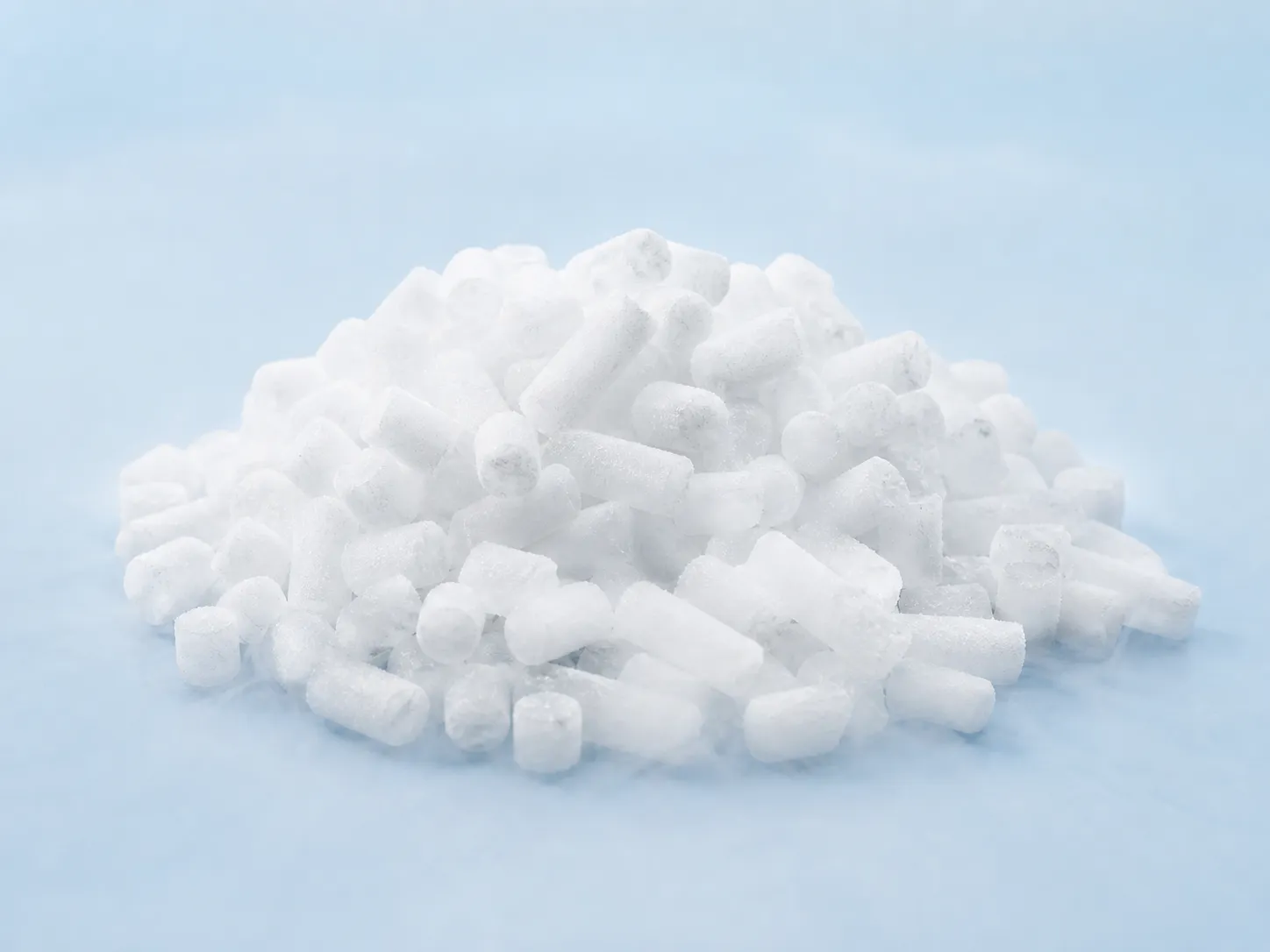
Dry Ice Pellets
Specification overviewPellets serve as blasting media and provide distributed or process cooling. Diameter and packaging are confirmed against your equipment and order.
Learn more
Lanceline manufactures dry ice pellets and blocks for cold-chain shipping, food cooling and industrial cleaning. Share your application, quantity and delivery location to confirm suitable specifications and supply terms.
Specify the required form and application. Product specifications, packaging and commercial terms are confirmed in writing for each order.
Specification overviewPellets serve as blasting media and provide distributed or process cooling. Diameter and packaging are confirmed against your equipment and order.
Learn more
Specification overviewBlocks suit insulated pack-outs and longer-duration cooling. Available packing space guides the dimensions and weight confirmed for your order.
Learn more
A supply plan brings together your required form, use, quantity, packaging, destination, date and documents for confirmation.
Plan my requirementSelect a form by operating objective, equipment compatibility, cooling response and duration. Final specifications are confirmed for each order.
You need blasting media, distributed fill or faster-response cooling. Pellet diameter is confirmed against equipment and order requirements.
Dry Ice PelletsYou use insulated pack-outs or prioritize longer-duration cooling with fewer handling pieces.
Dry Ice BlocksExplore six common applications, with product selection, packaging and operating requirements for each.
Pellets and blocks are produced in Linyi, Shandong. Bulk purchases and recurring orders are planned around the required specifications, quantity, packaging and dispatch schedule.
Pellets and blocks offer options for different equipment, packing spaces and cooling needs.
Order volume and purchasing frequency guide the review of available supply and production timing.
Machine requirements guide pellet selection for cleaning; pack-out dimensions guide block selection for shipping. The available pellet or block specification is confirmed for each order.
Specify purity, acceptance and document requirements. The quotation confirms applicable specifications and available supporting information.
Insulation and pack size depend on quantity and transit time. Packaging must allow CO₂ gas to escape; the final configuration is agreed per order.
Order details, production scheduling and transport requirements are coordinated, with delivery timing confirmed for your destination and order.
Application, quantity, acceptance requirements and destination guide production, packaging and dispatch planning.
The operating scenario, receiving point and route define the supply requirements.
Pellets or blocks are selected to match the intended operation.
Required quantity and timing guide production planning.
Requested size, weight and acceptance needs are recorded for confirmation.
The insulated pack-out must permit gas release.
Applicable documents and delivery conditions are confirmed in the quotation.
Compare cold-chain shipping and industrial cleaning by product selection, operating requirements and safety controls.
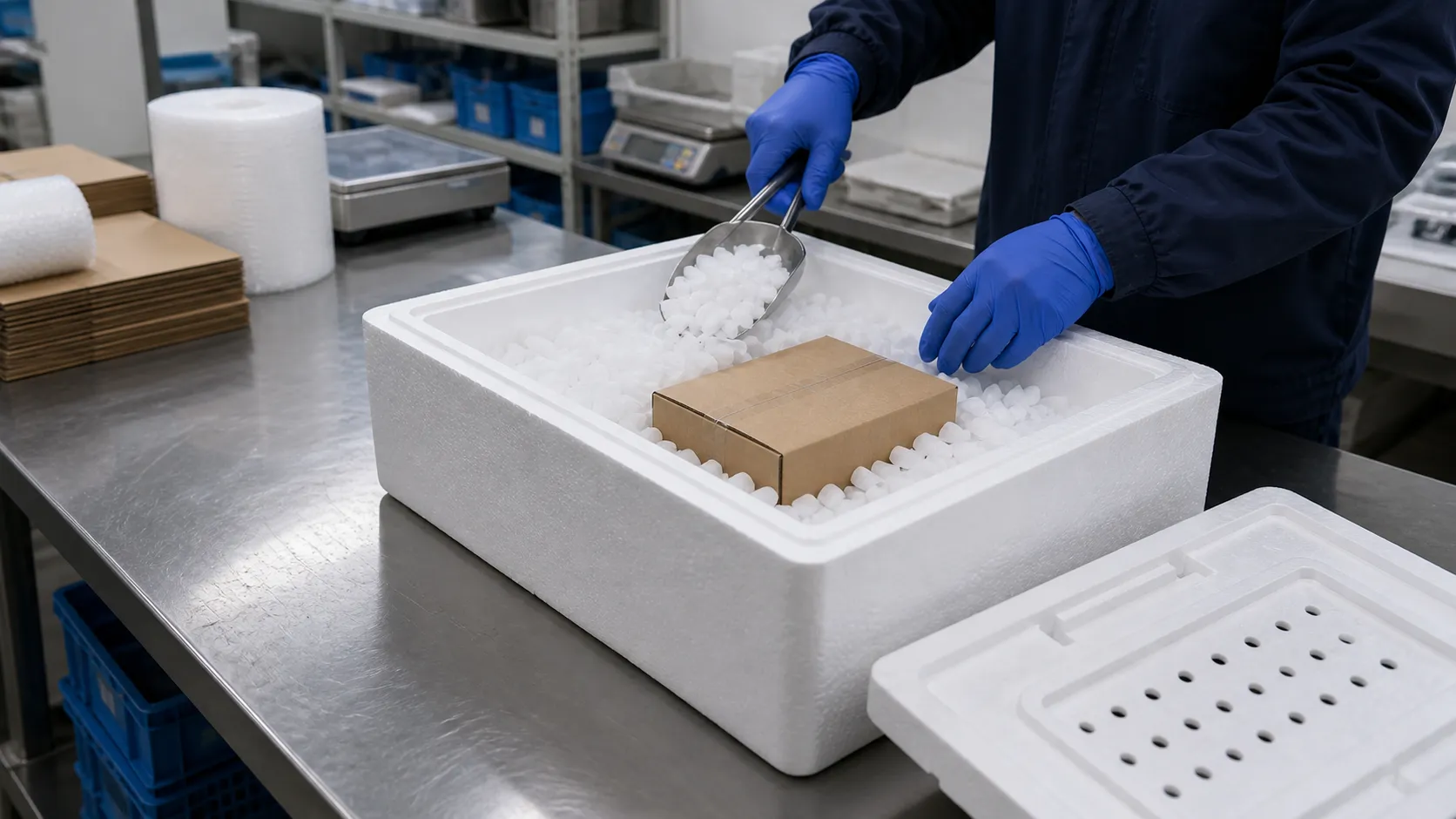
Dry ice requirements depend on the actual payload, packaging and route conditions; a fixed allowance cannot account for every shipment.
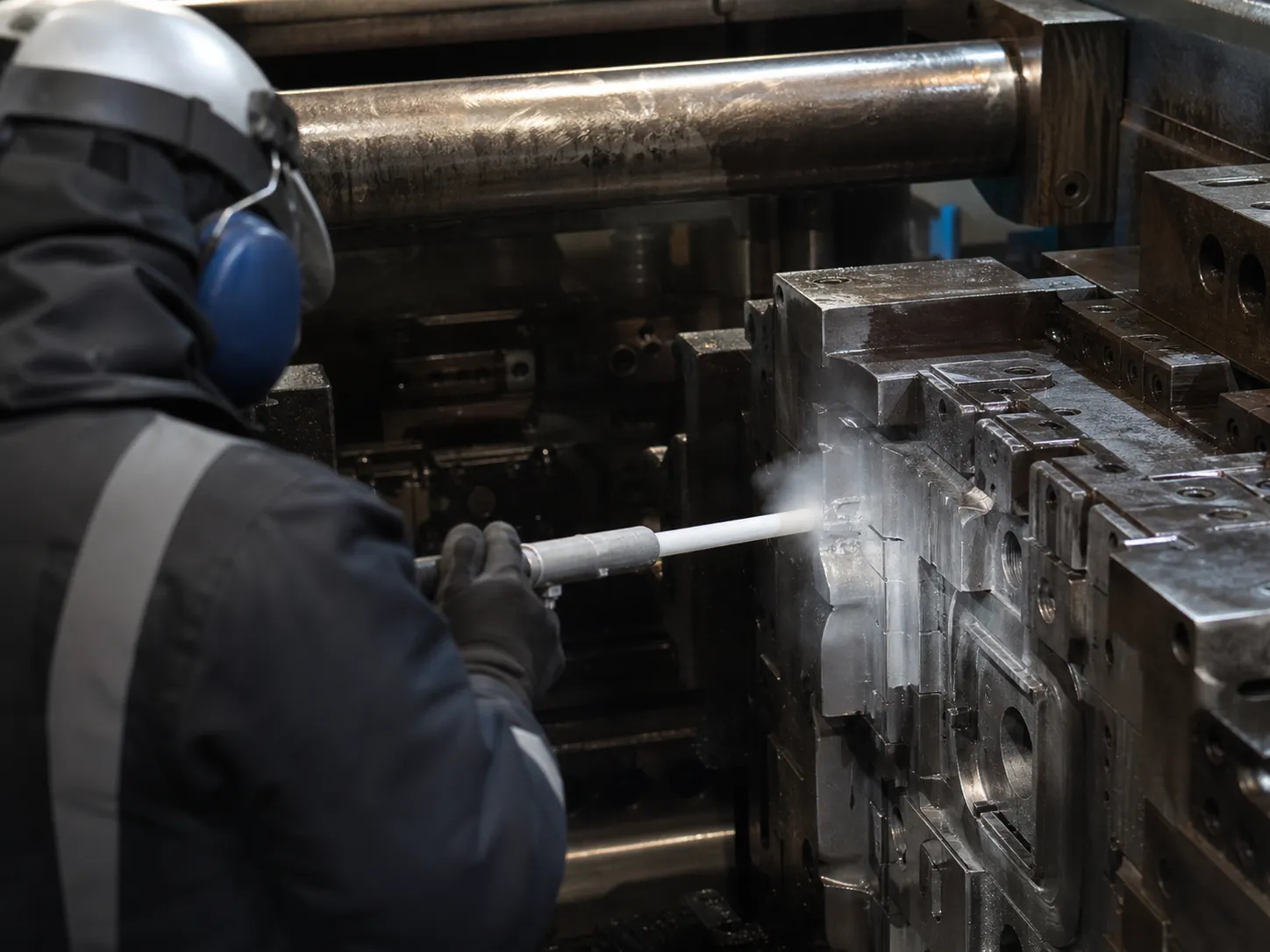
Dry ice pellets are available for compatible blasting operations. Supply covers the media; a complete blasting machine is not included.
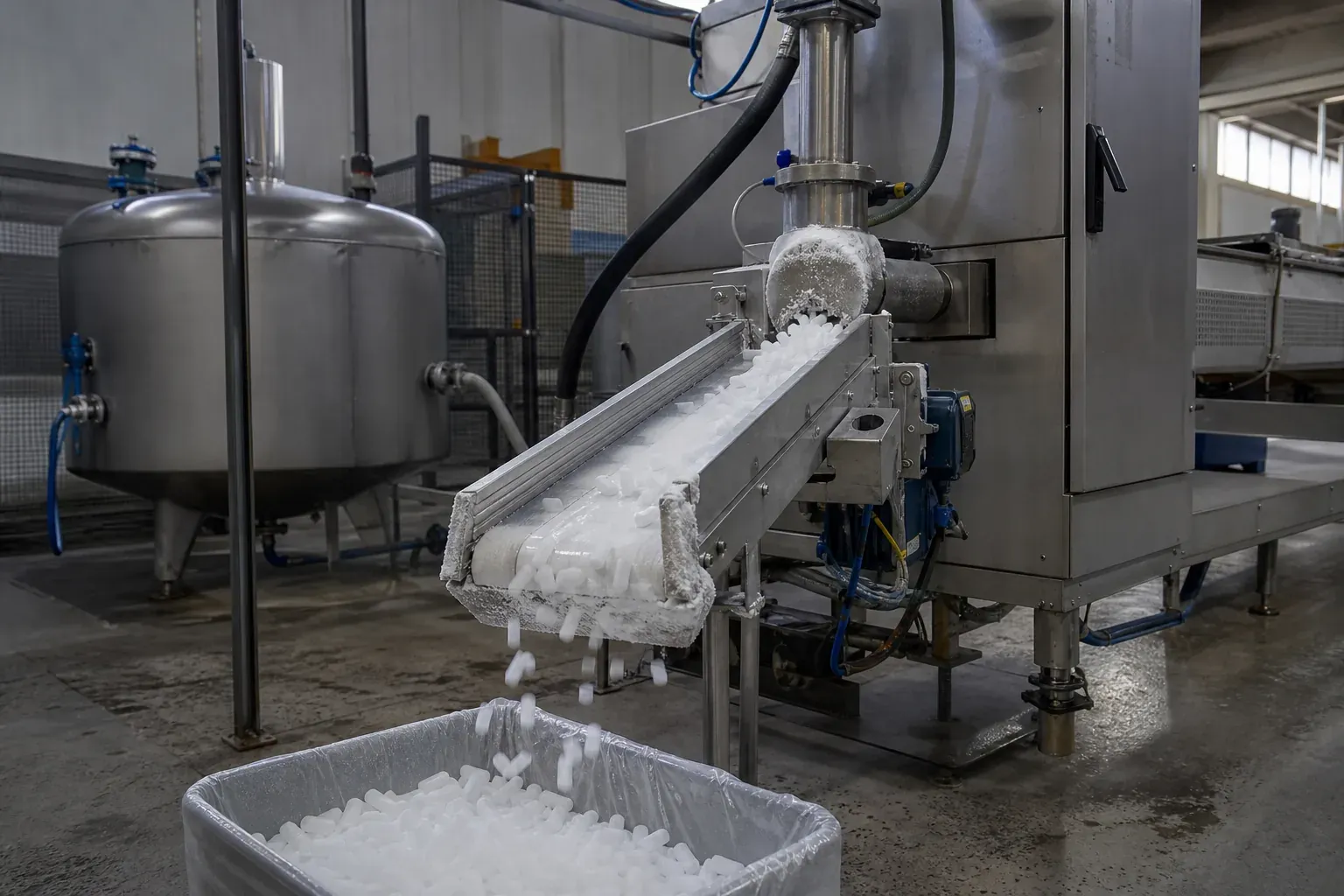
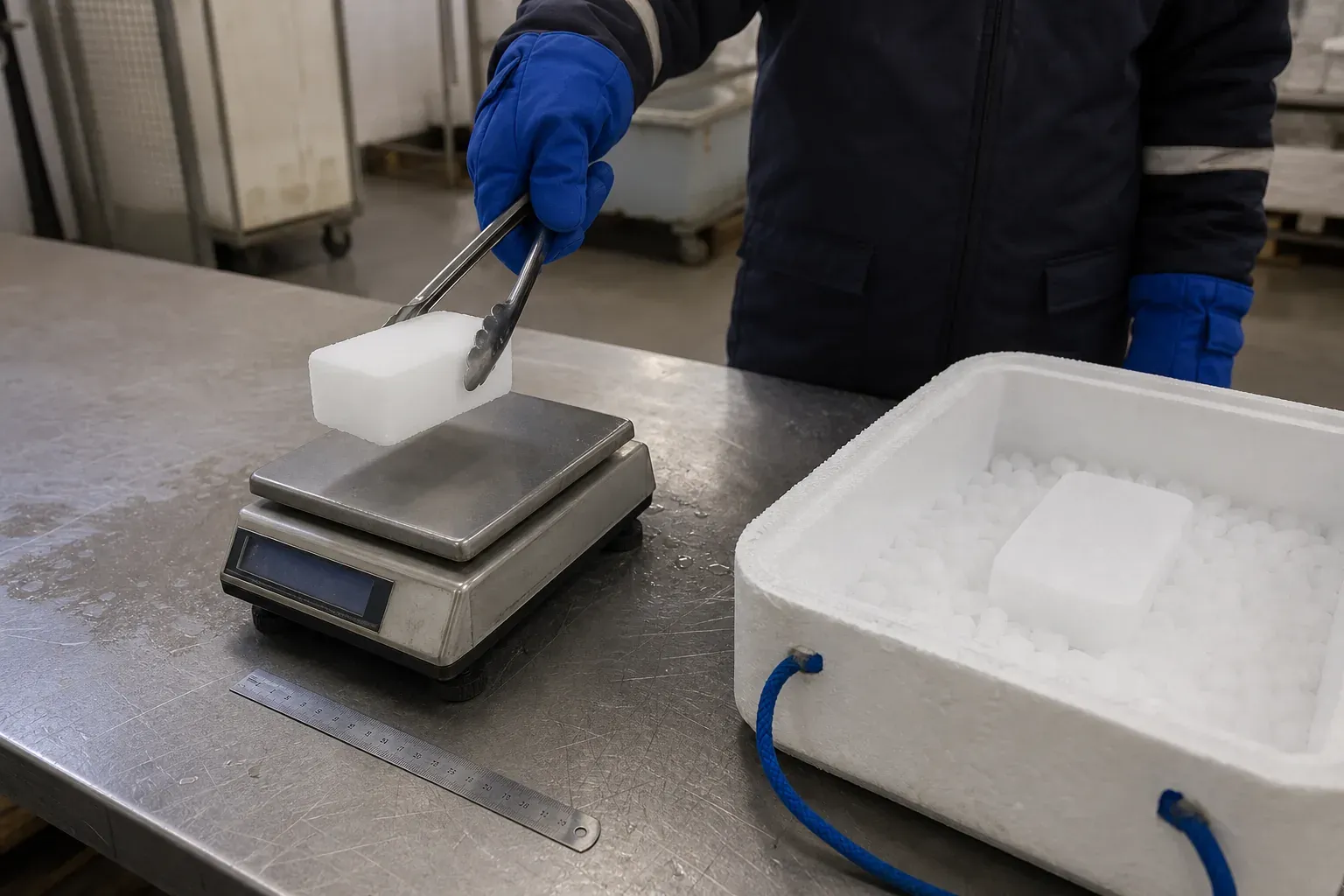
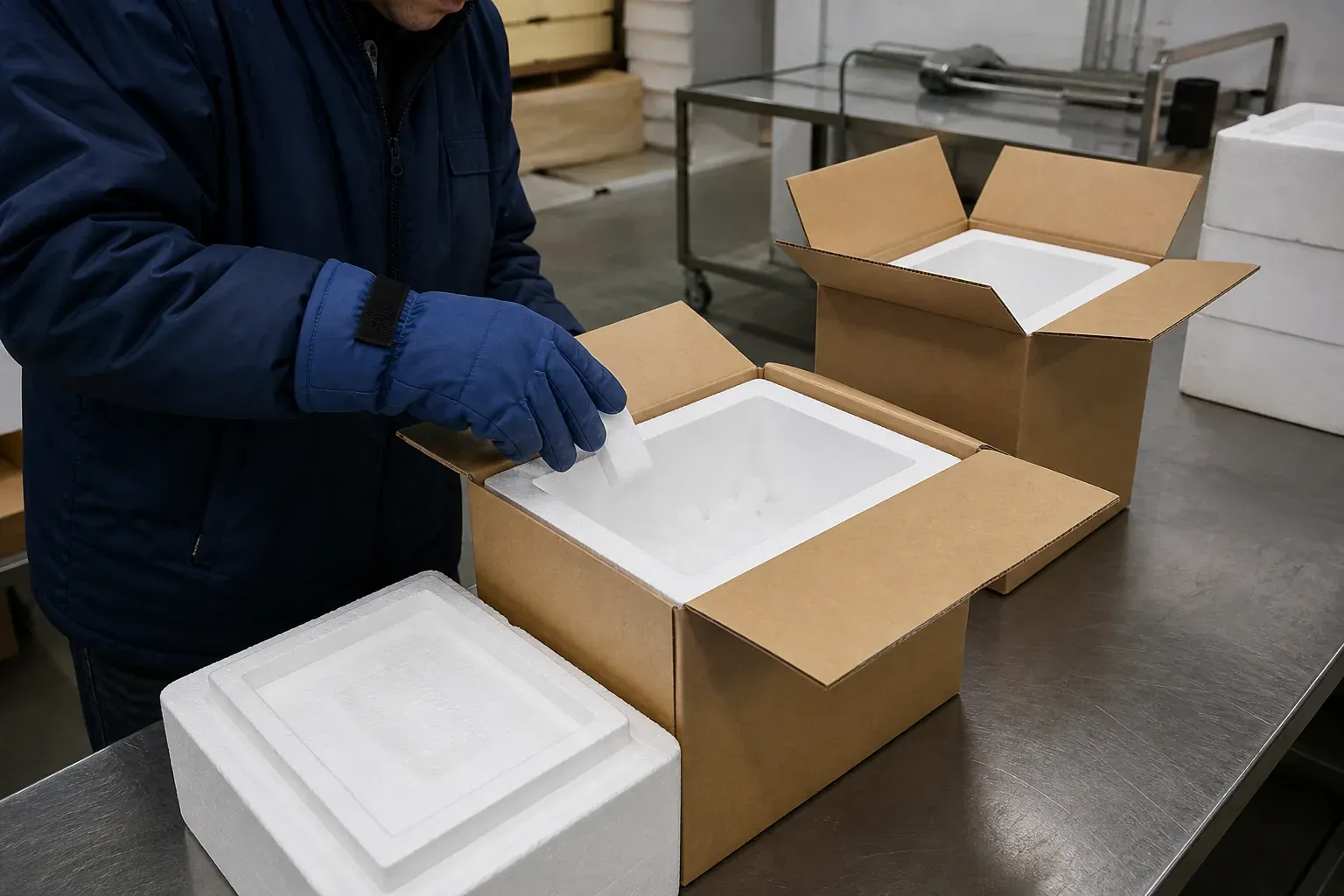
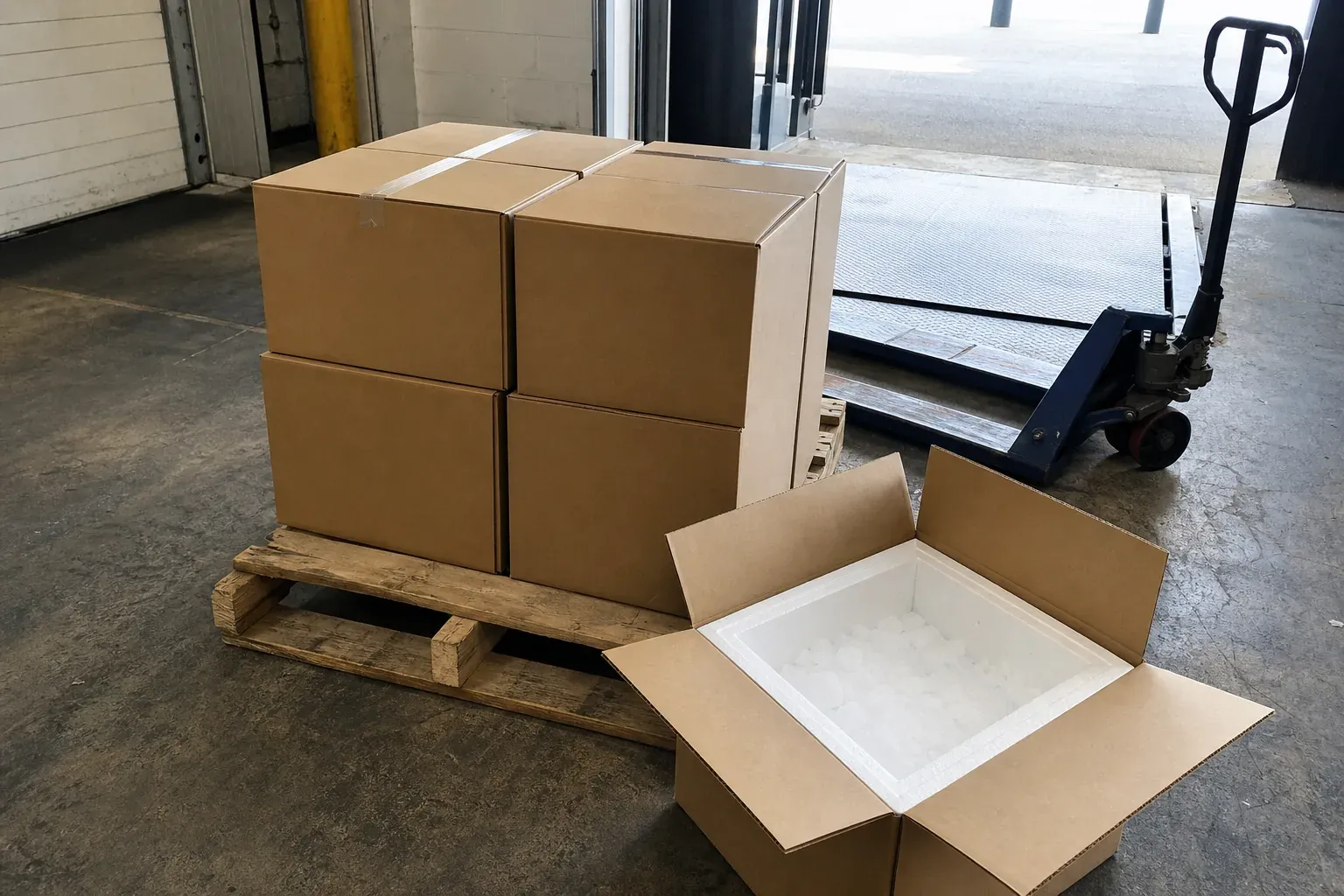
Product form and applicable specifications are confirmed in writing.
Acceptance requirements are recorded for the specific order.
Vented insulated packaging is reviewed before dispatch.
Applicable documents and delivery conditions are confirmed per order.
These guides cover product forms, cooling duration, shipping preparation, blasting media and bulk purchasing.
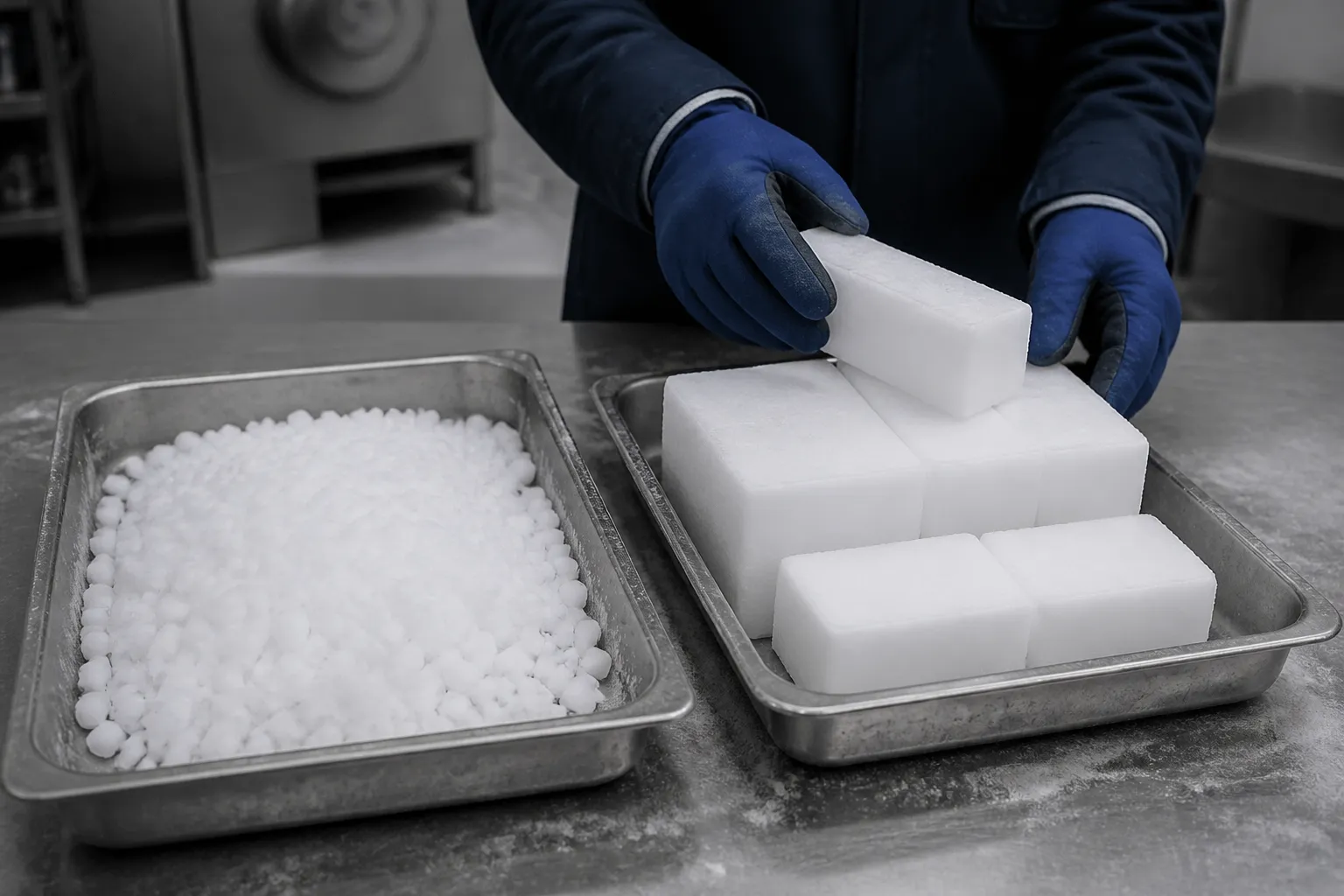
Dry ice pellets and blocks suit different applications; choose according to equipment, cargo, container, dispensing method, and transport duration.
Read guide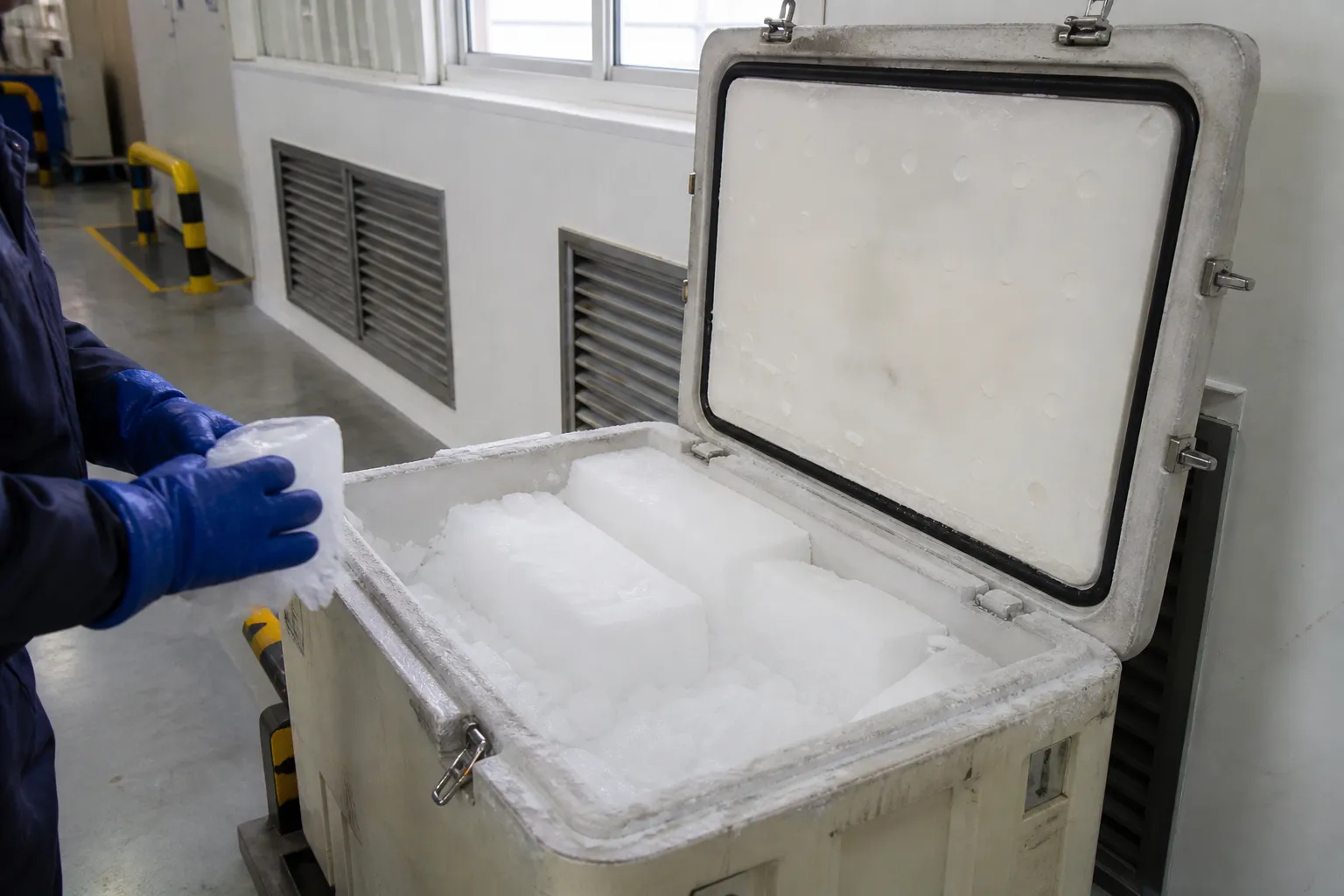
Dry ice holding time is not fixed; establish site rules around the insulated container, form, environment, opening frequency, and measured performance.
Read guide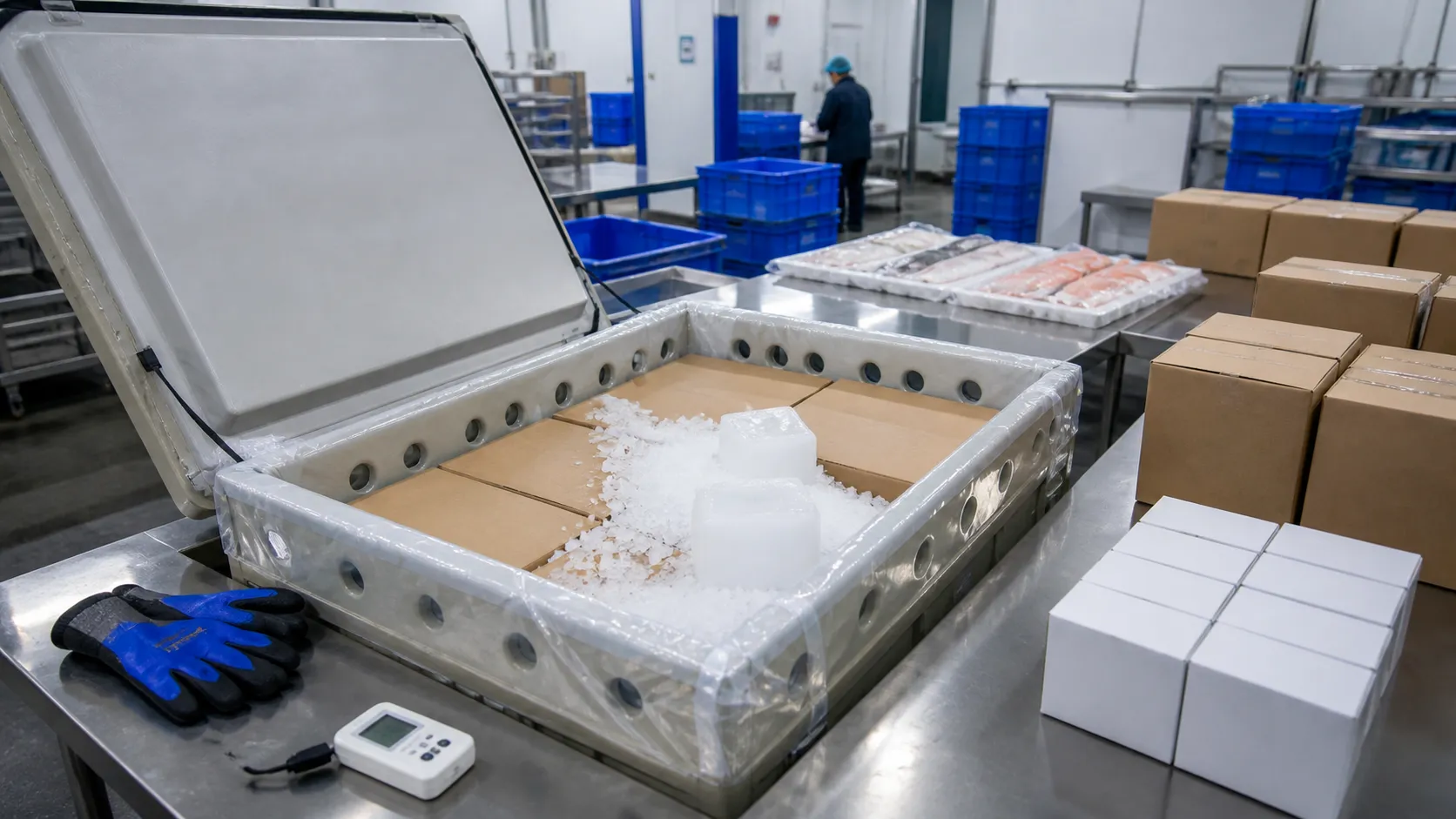
Different cold-chain cargoes require separate confirmation of temperature targets, package structure, transport stages, validation needs, and receiving conditions.
Read guide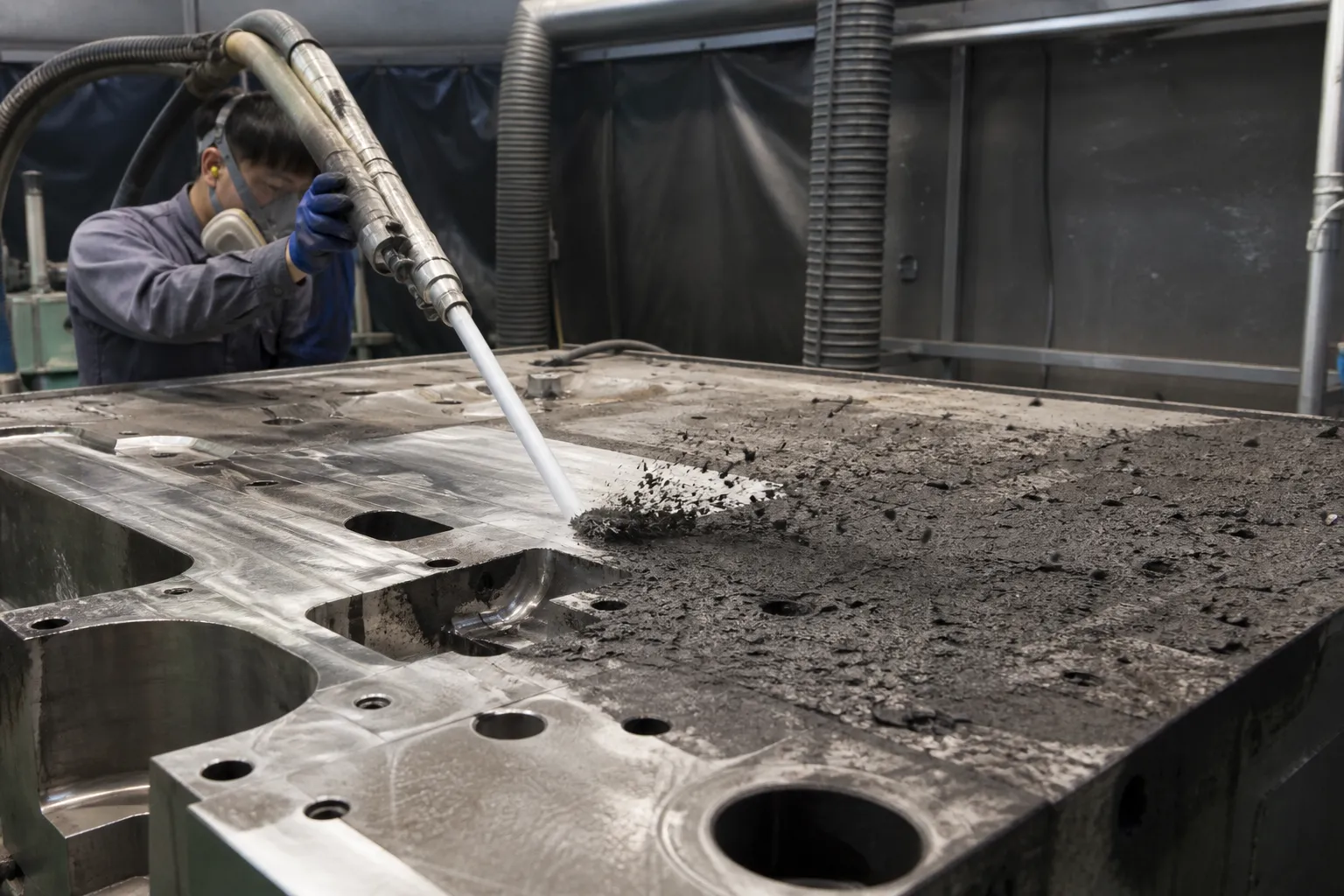
Dry ice blasting combines pellet impact, temperature differential, and sublimation; actual suitability still depends on the contaminant, substrate, equipment, and site controls.
Read guide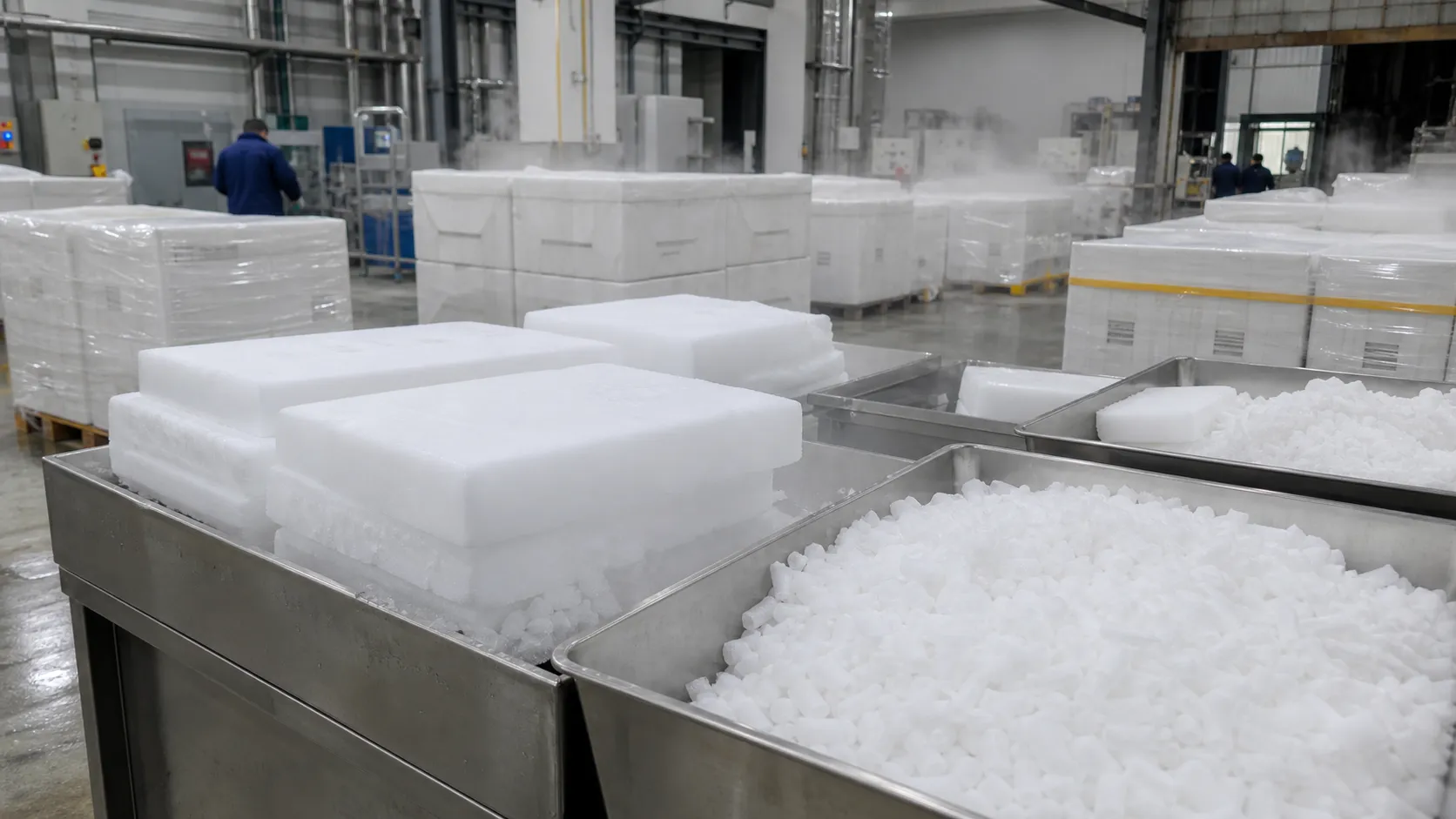
Base bulk purchasing on actual consumption and usable condition on arrival, then improve orders through packaging, delivery milestones, and acceptance records.
Read guide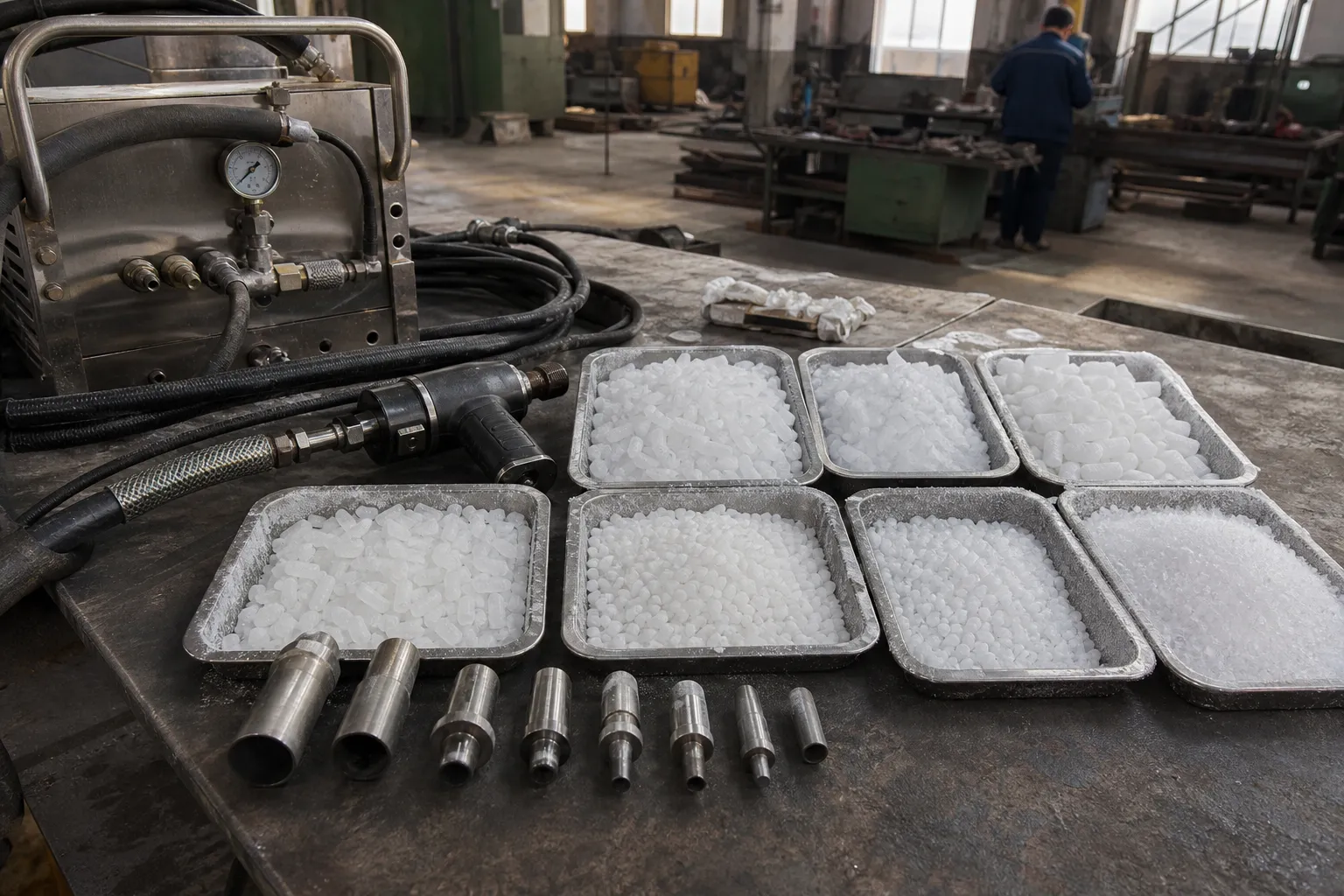
Pellet specifications affect feeding, blasting, contact area, and packaging turnover, so selection should use equipment, application, site handling, and trial data.
Read guideFind answers about product forms, storage, transport and quotations before sending an enquiry.
Pellets and blocks are available. Confirmed block references are listed above; pellet diameter and the supplied specification are confirmed against the equipment, specific order and written quotation.
There is no fixed duration. Form, quantity, insulation, ambient conditions, opening frequency and route time all affect sublimation, so validate the actual pack-out.
The minimum order is one 20-foot container (20GP). Product form, packaging, route and delivery terms are confirmed in the quotation.
Use a suitable insulated, non-airtight container in a well-ventilated area. Never use a sealed enclosure and follow the applicable SDS and site safety procedure.
These are common planning scenarios, but suitability, grade, package validation, documents and transport conditions must be confirmed for the specific payload and order.
Yes. Dry ice pellets are available as blasting media. Pellet specifications must match your machine and process; a complete blasting machine is not included in the supply.
Start with payload, target condition, insulation, route duration, hand-offs, opening frequency and delay allowance, then validate the complete pack-out under representative conditions.
List required documents, destination, carrier context and acceptance needs. Availability, marks, labels, packaging and delivery conditions are confirmed for the order in writing.
Share the product form, quantity, application, destination and required date to receive a response with the available supply and delivery options.