
Dry ice guidance for procurement and operations
Choose product form, plan packaging, handle dry ice safely and prepare UN1845 transport information with practical, order-ready guidance.
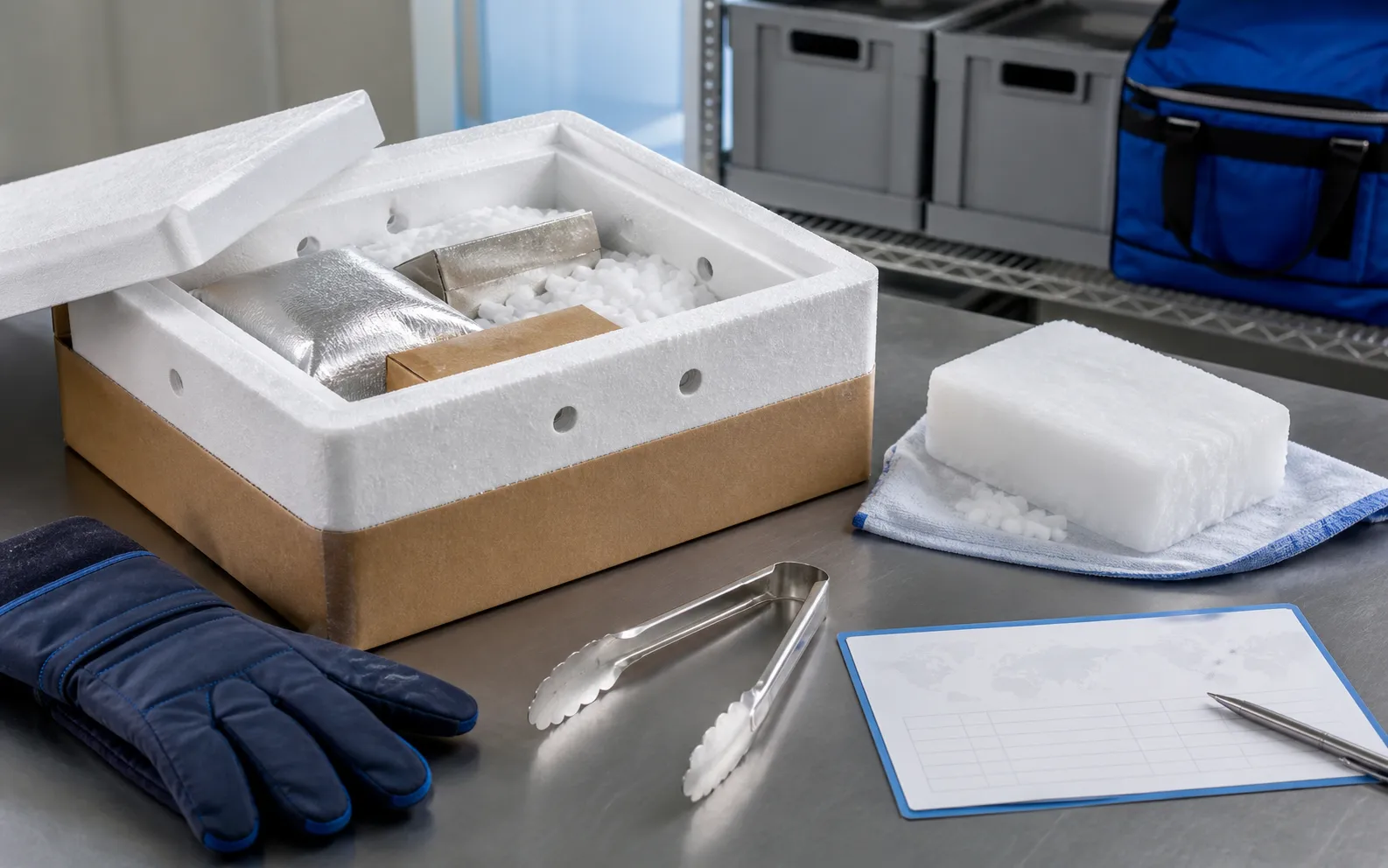
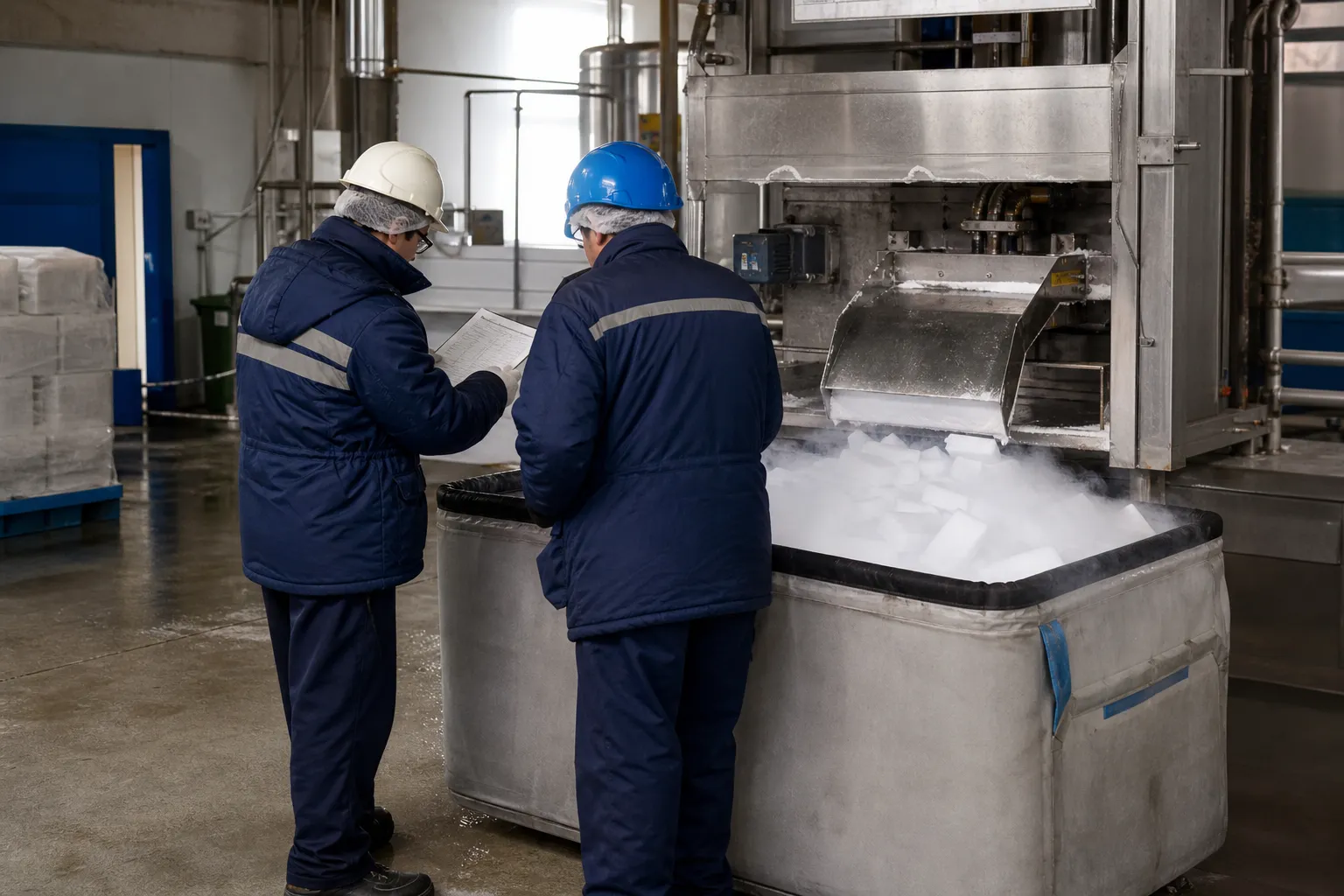
How to Choose a Reliable Dry Ice Manufacturer for Industrial Applications
Share your application requirements, trial results and delivery needs with us. We will review product form, packaging and timing with you so you can assess how the supply plan fits your site.
Read guideExplore all buyer guides
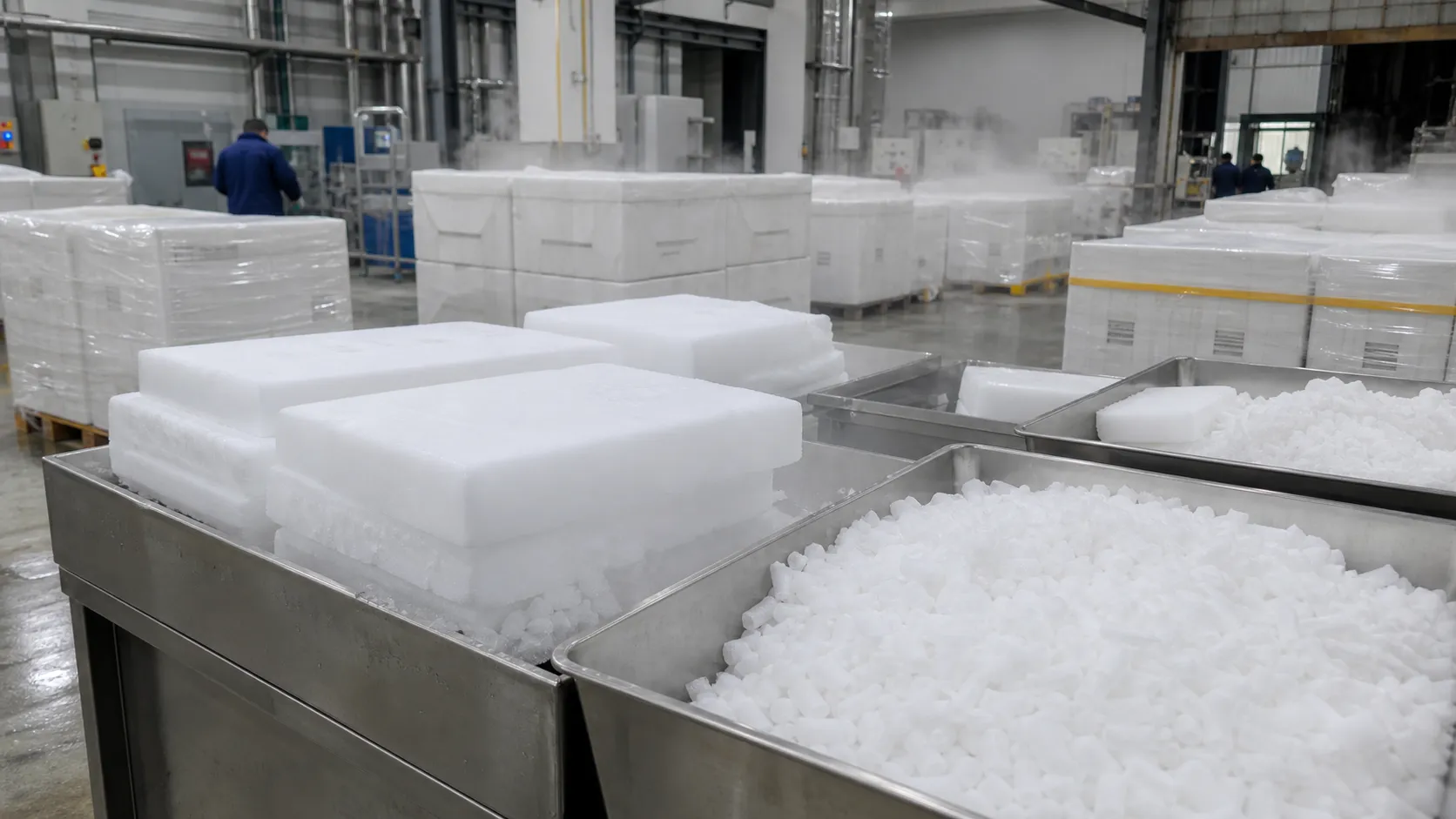
Bulk Dry Ice Buying Guide: Quality, Packaging, Supply Capacity and Supplier Evaluation
Base bulk purchasing on actual consumption and usable condition on arrival, then improve orders through packaging, delivery milestones, and acceptance records.
Read guide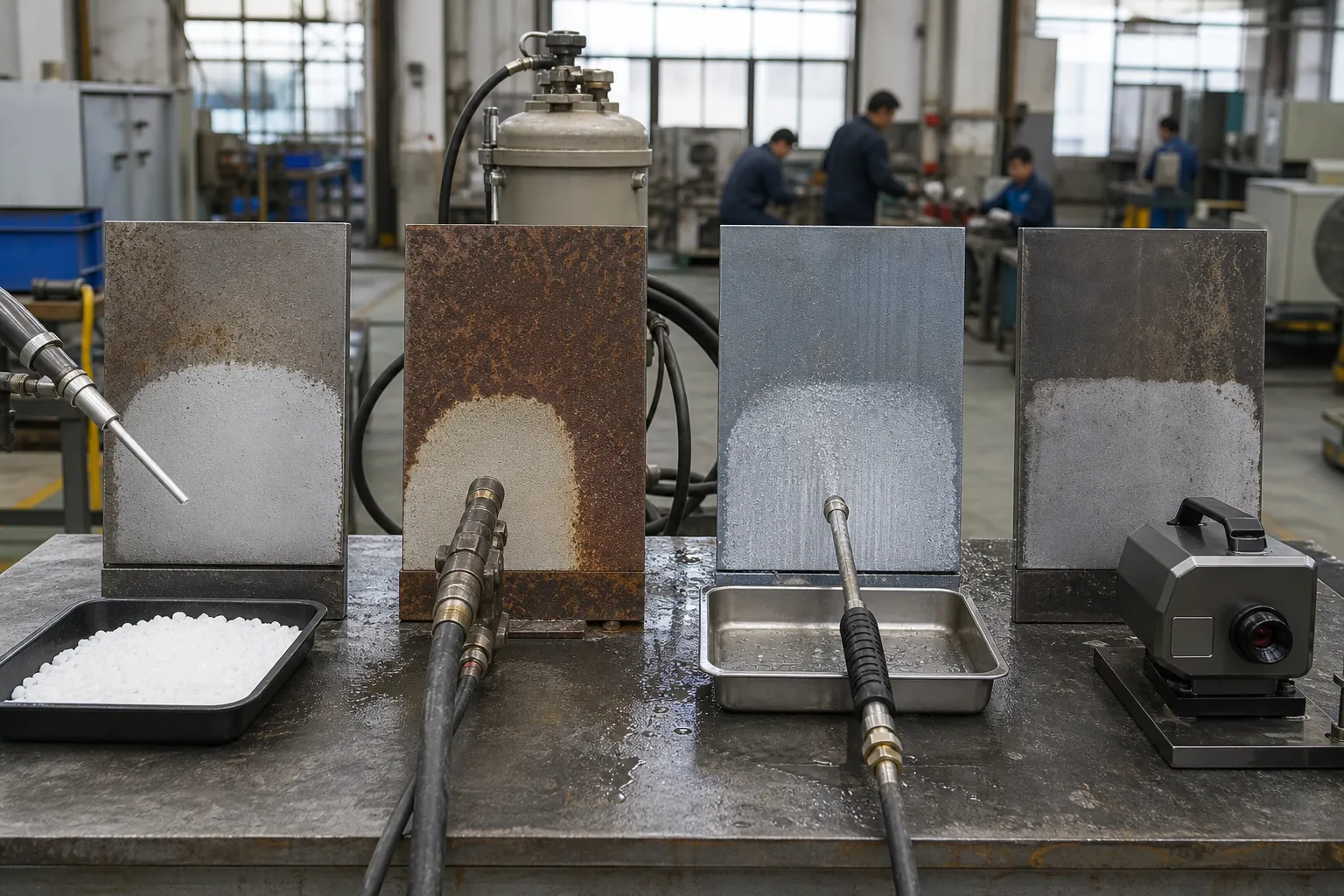
Dry Ice Blasting vs Sandblasting vs Water Blasting vs Laser Cleaning
Cleaning methods should be compared through the contaminant, substrate, residue pathway, and representative site trials—not by equipment name alone.
Read guide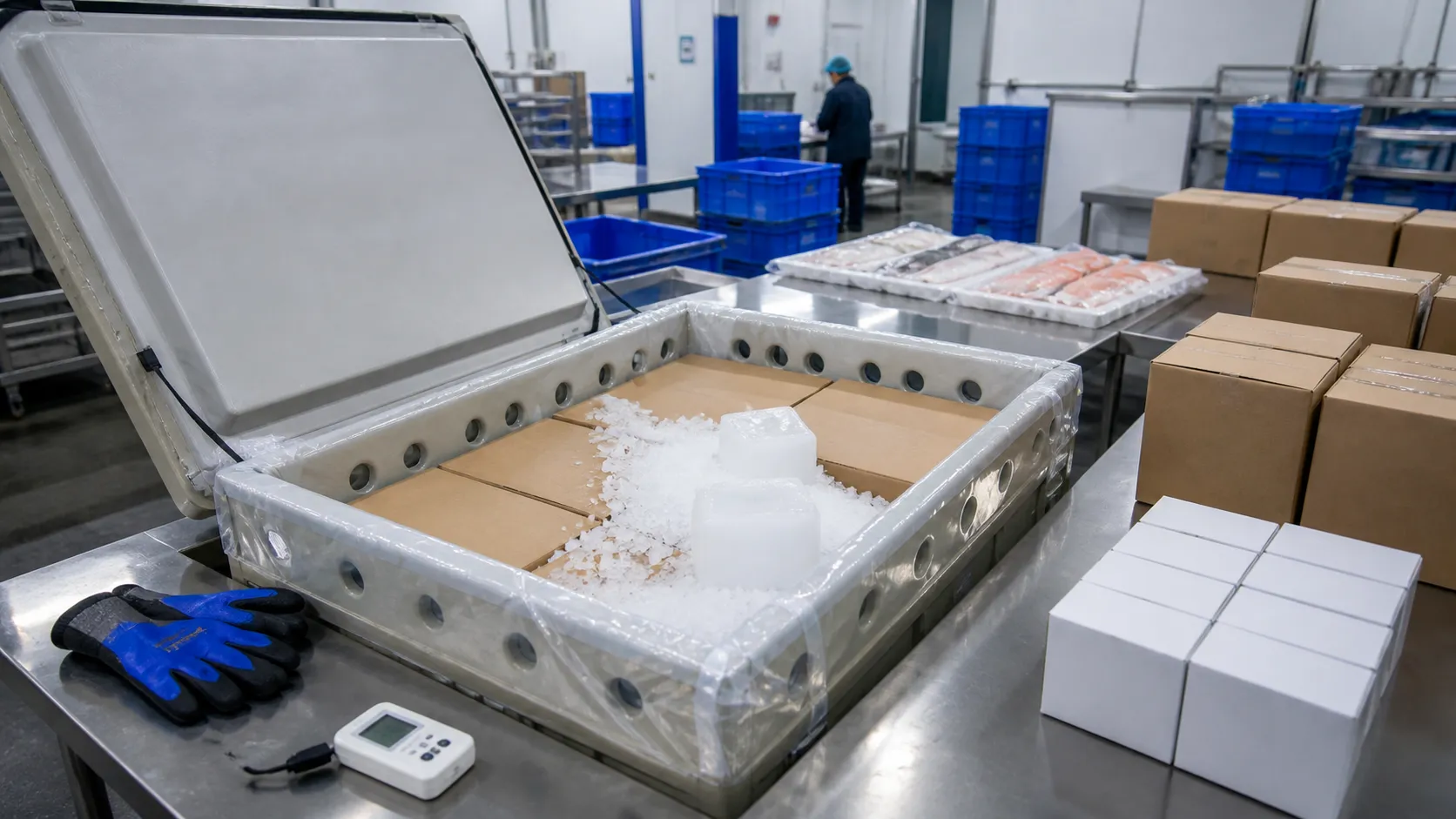
Dry Ice for Cold Chain Shipping: Food, Seafood, Pharma and Biologics
Different cold-chain cargoes require separate confirmation of temperature targets, package structure, transport stages, validation needs, and receiving conditions.
Read guide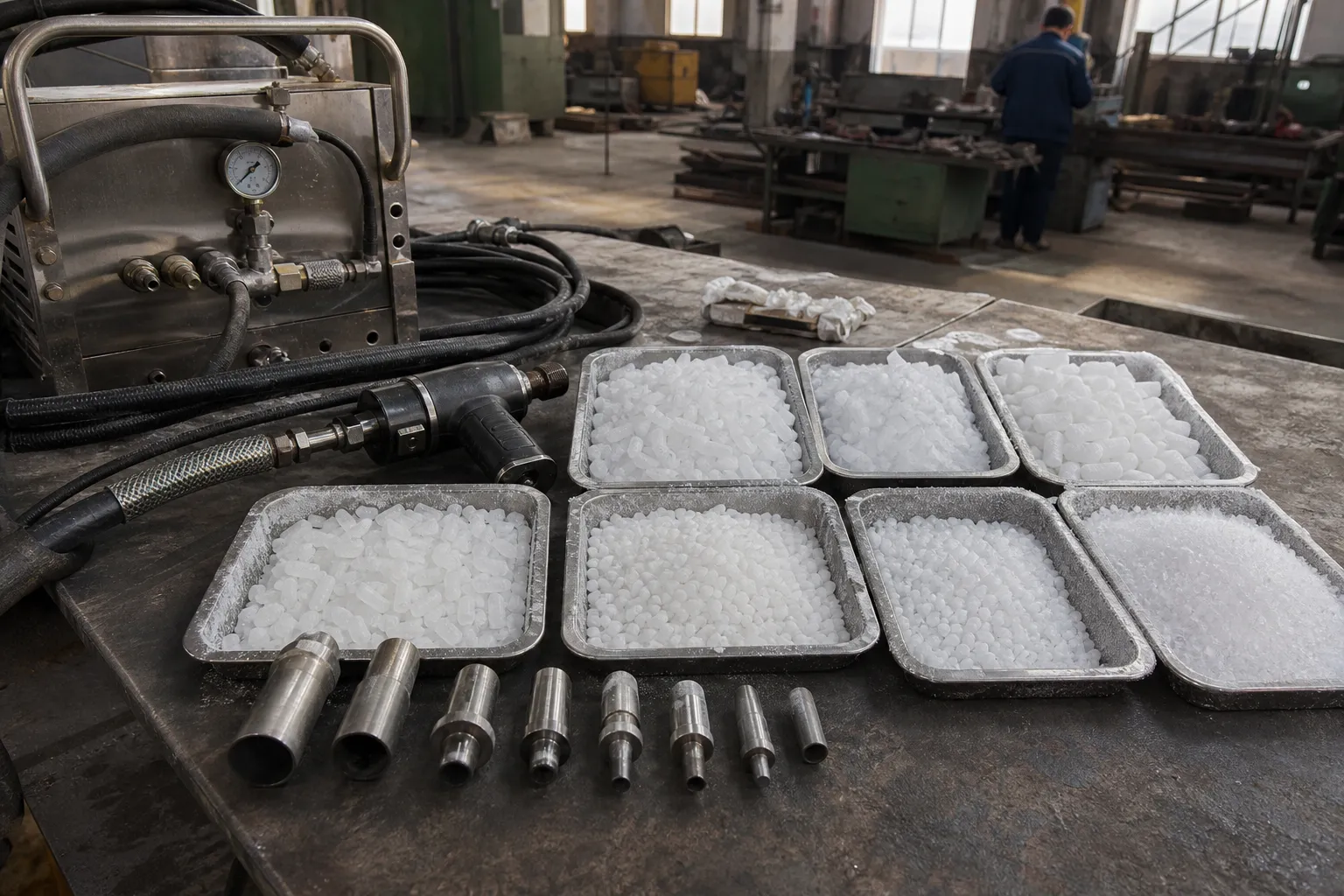
How to Choose the Right Dry Ice Pellet Size for Your Application
Pellet specifications affect feeding, blasting, contact area, and packaging turnover, so selection should use equipment, application, site handling, and trial data.
Read guide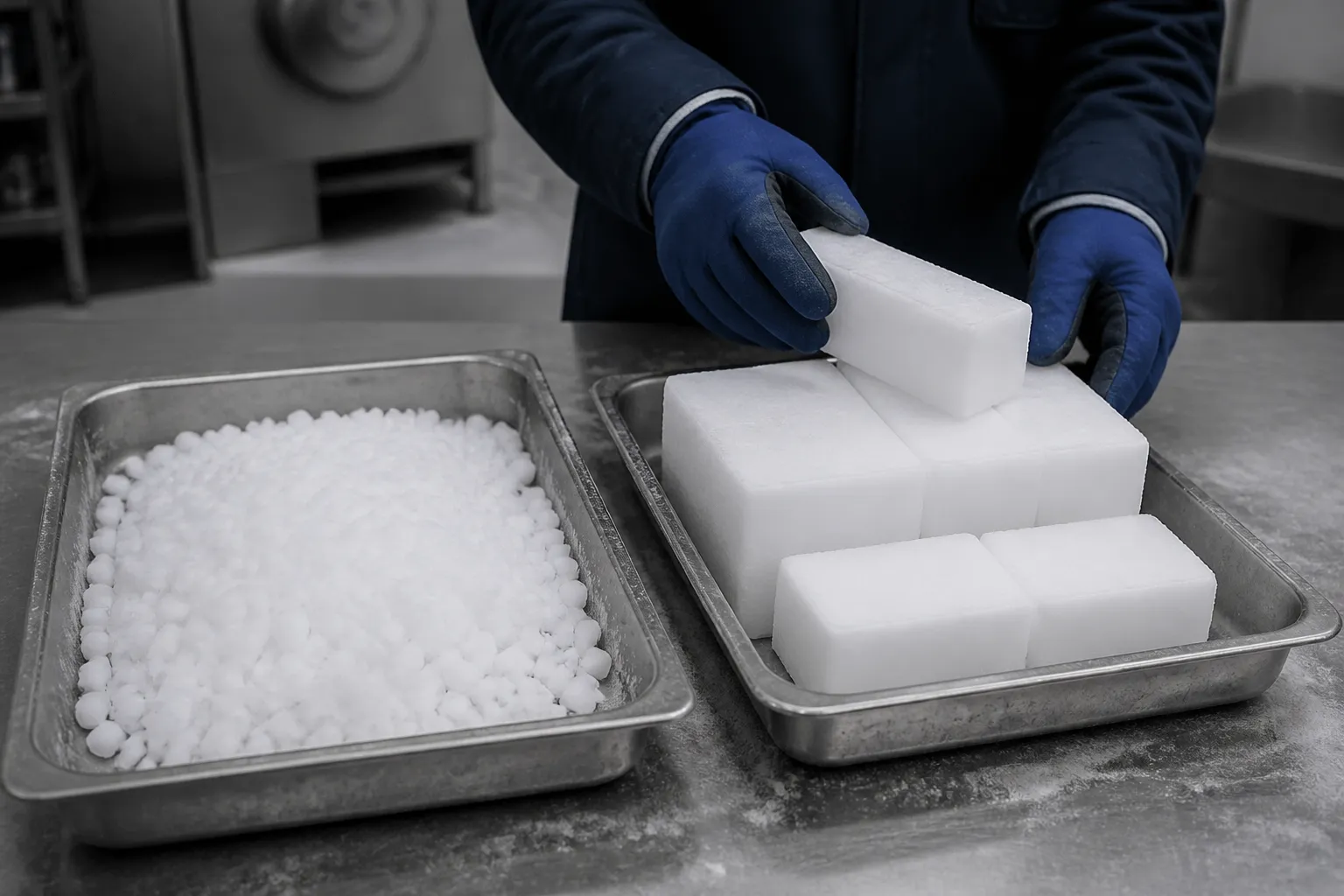
Dry Ice Pellets vs Dry Ice Blocks: Which Type Should You Choose?
Dry ice pellets and blocks suit different applications; choose according to equipment, cargo, container, dispensing method, and transport duration.
Read guide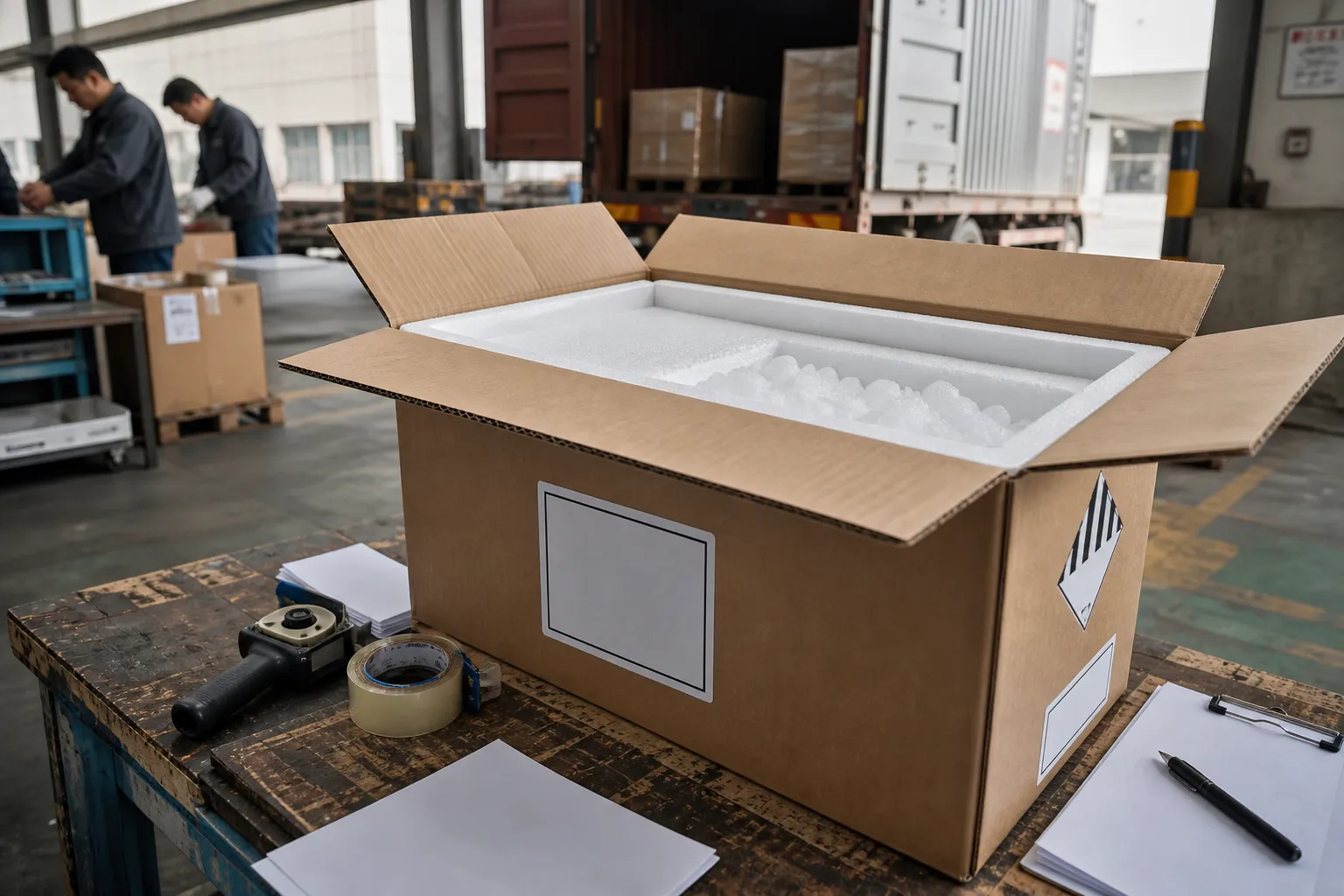
How to Ship with Dry Ice Safely: Packaging, Ventilation and UN 1845 Basics
Safe dry ice transport requires pressure-relieving packaging, ventilation, clear information, personnel protection, and shipment-by-shipment carrier confirmation.
Read guide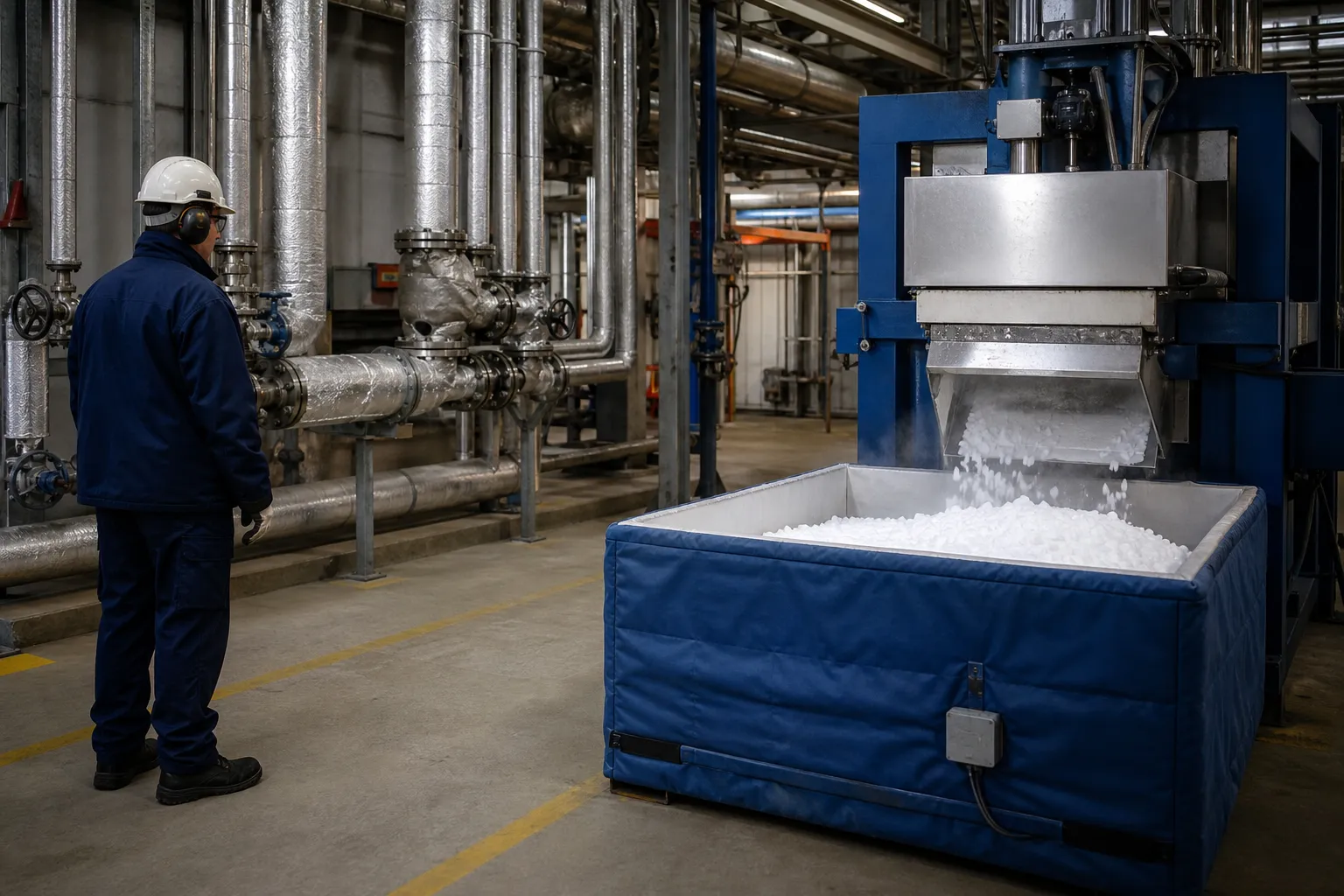
How Is Dry Ice Made? From Liquid CO₂ to Pellets and Blocks
Dry ice production starts with liquid CO₂, followed by depressurisation, snow formation, compaction or extrusion, specification control, packing, and dispatch.
Read guide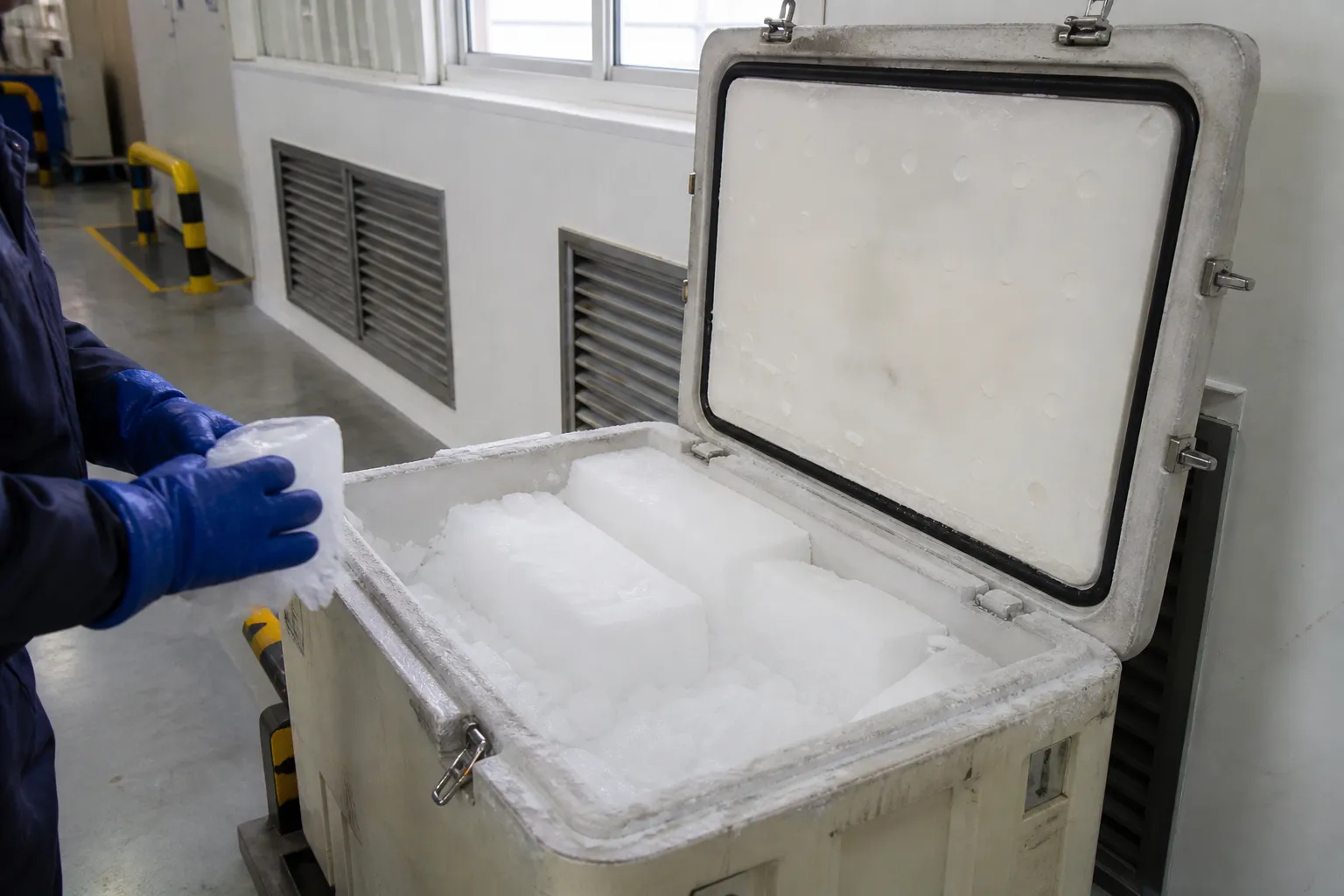
How Long Does Dry Ice Last? Sublimation, Storage and Handling Guide
Dry ice holding time is not fixed; establish site rules around the insulated container, form, environment, opening frequency, and measured performance.
Read guide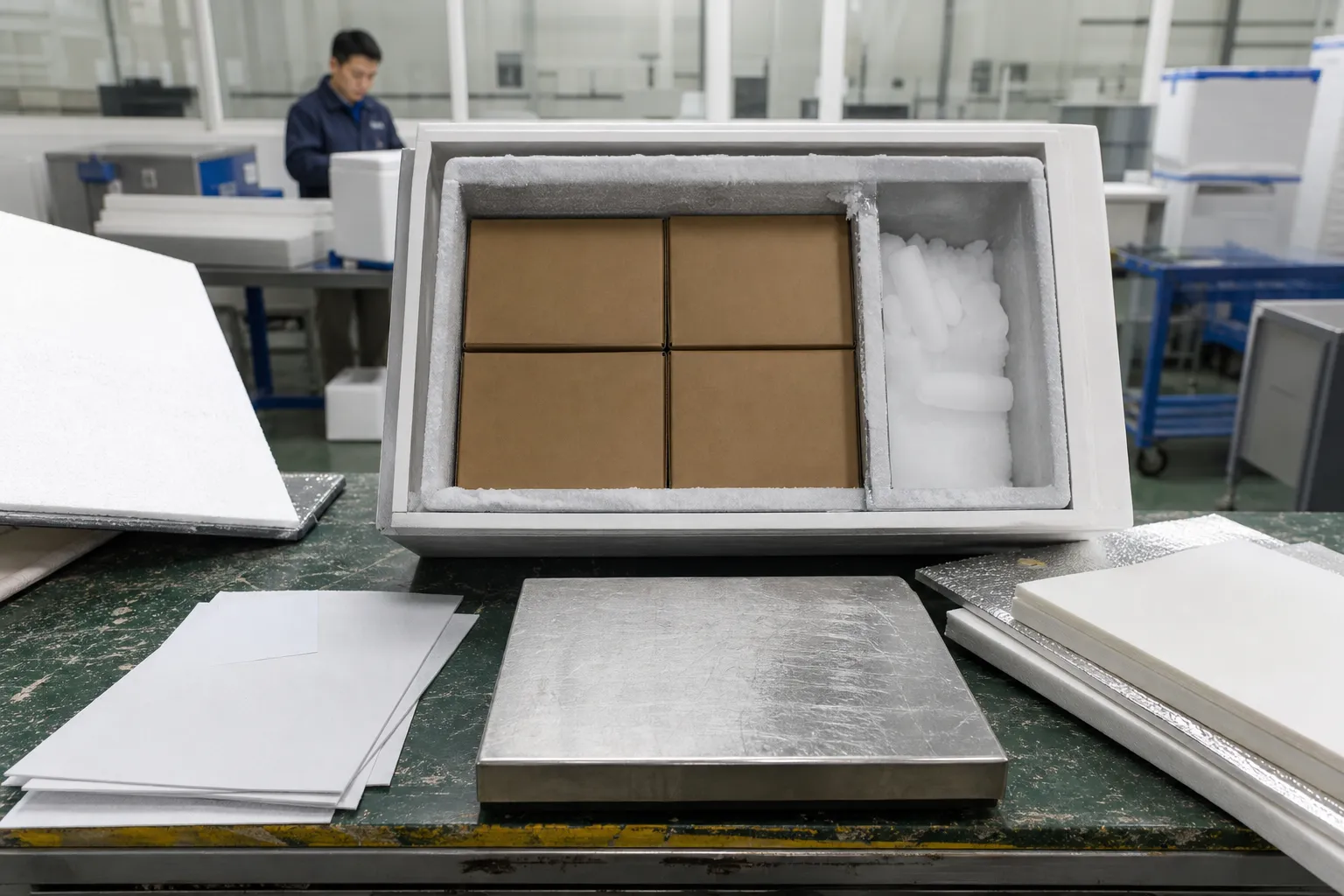
How Much Dry Ice Do You Need for Shipping? A Practical Calculation Guide
Shipping quantity cannot be estimated from cargo weight alone; build a model from the packaging system, total duration, temperature target, and trial-shipment data.
Read guide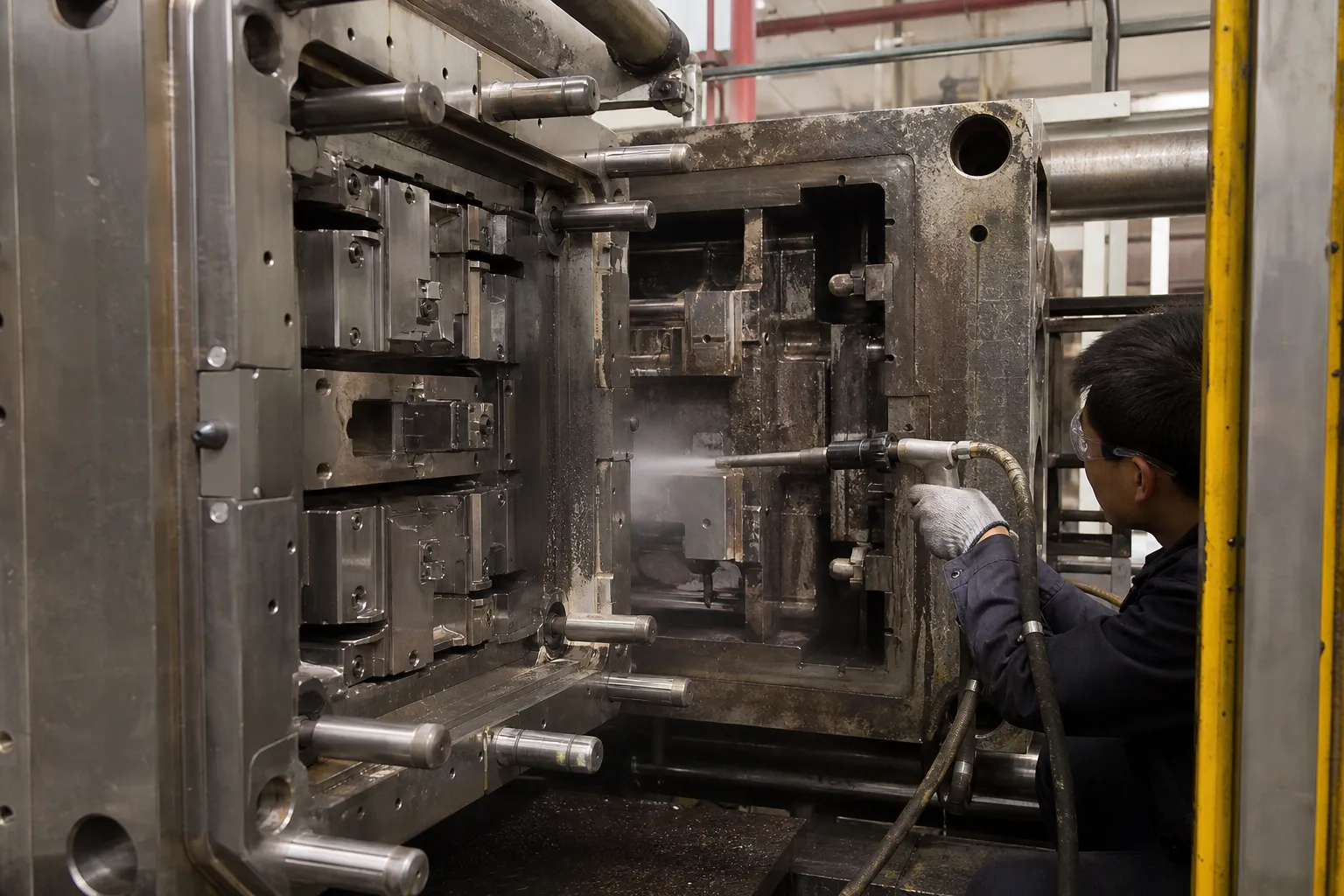
Dry Ice Cleaning Applications: Molds, Electronics, Food Plants and Industrial Equipment
Each industrial cleaning scenario needs a separate review of the contaminant, substrate, accessibility, site risks, pellets, and equipment parameters.
Read guide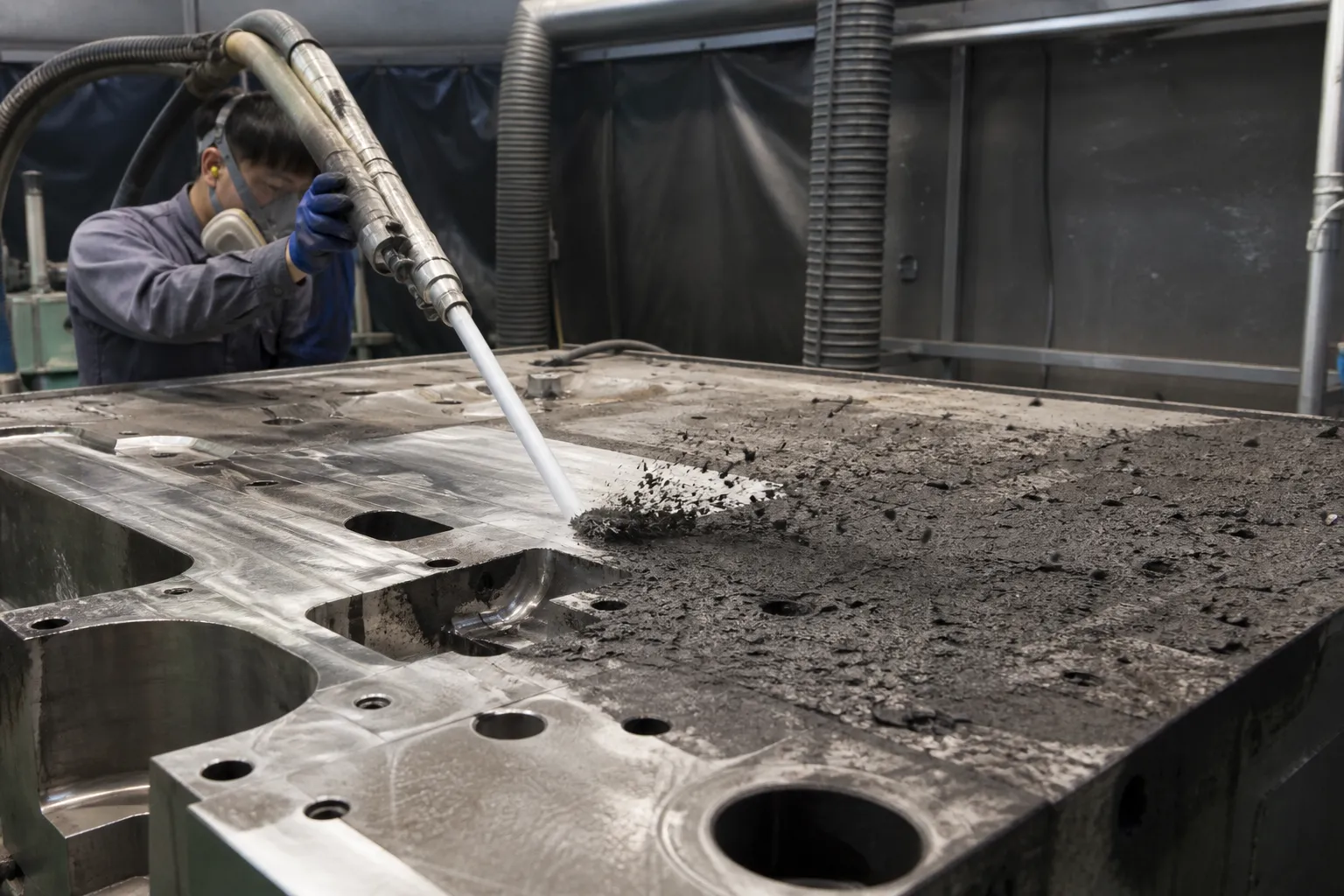
What Is Dry Ice Blasting and How Does It Work?
Dry ice blasting combines pellet impact, temperature differential, and sublimation; actual suitability still depends on the contaminant, substrate, equipment, and site controls.
Read guideStart with product selection
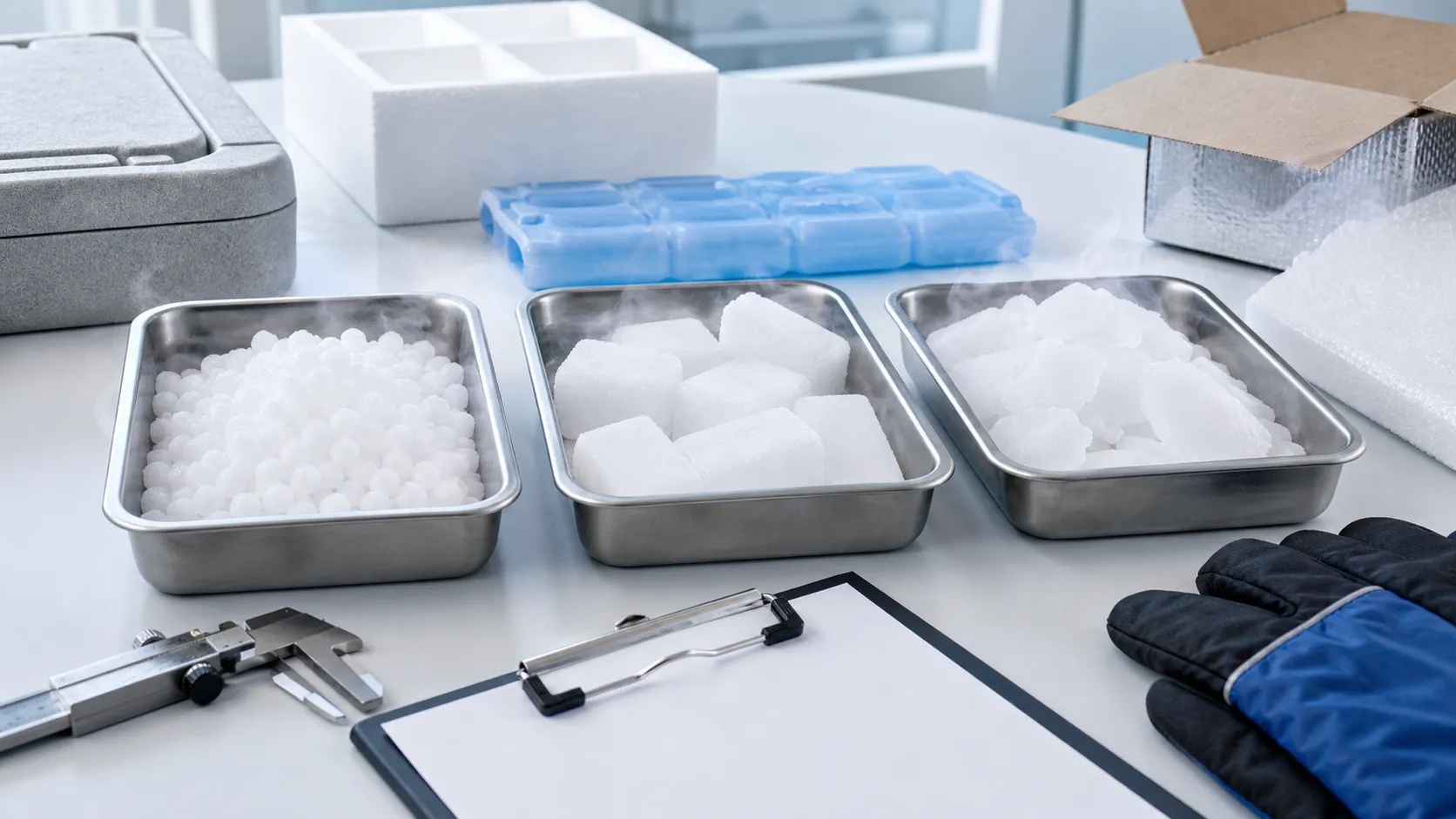
How to Choose the Right Dry Ice Form
Separate equipment-fed applications from manual use, then select the dry ice form around cooling layout, packaging, handling, and safety requirements.
Read guide
How to Choose Dry Ice Blasting Pellets
Dry ice blasting pellets must first match the equipment range, then be validated with the contaminant, substrate, delivery time, air supply, and nozzle.
Read guide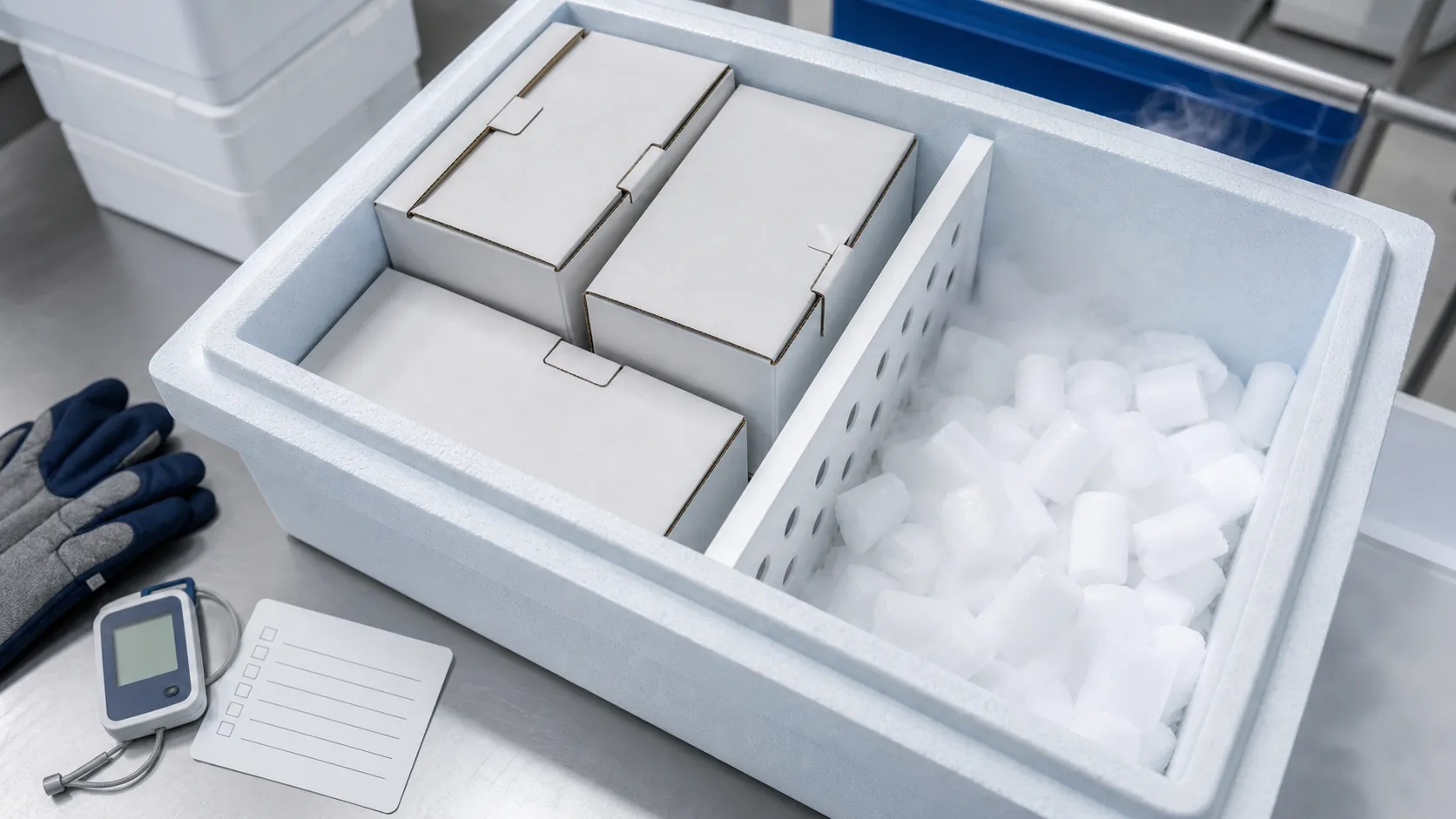
Dry Ice Planning for Food and Seafood Cold Chains
Food and seafood cold chains should plan dry ice around cargo characteristics, separation layers, moisture and leakage control, total journey time, and receiving conditions.
Read guide
Shipping Dry Ice under UN1845
For every UN1845 dry ice shipment, confirm packaging, marks, net weight, documents, ventilation, and the actual carrier's current requirements.
Read guide
Dry Ice Storage, Handling and Sublimation
Dry ice storage and handling should balance insulation, pressure relief, ventilation, low-temperature protection, and dispensing records, with personnel safety first.
Read guide