
What Is Dry Ice Blasting and How Does It Work?
Dry ice blasting combines pellet impact, temperature differential, and sublimation; actual suitability still depends on the contaminant, substrate, equipment, and site controls.
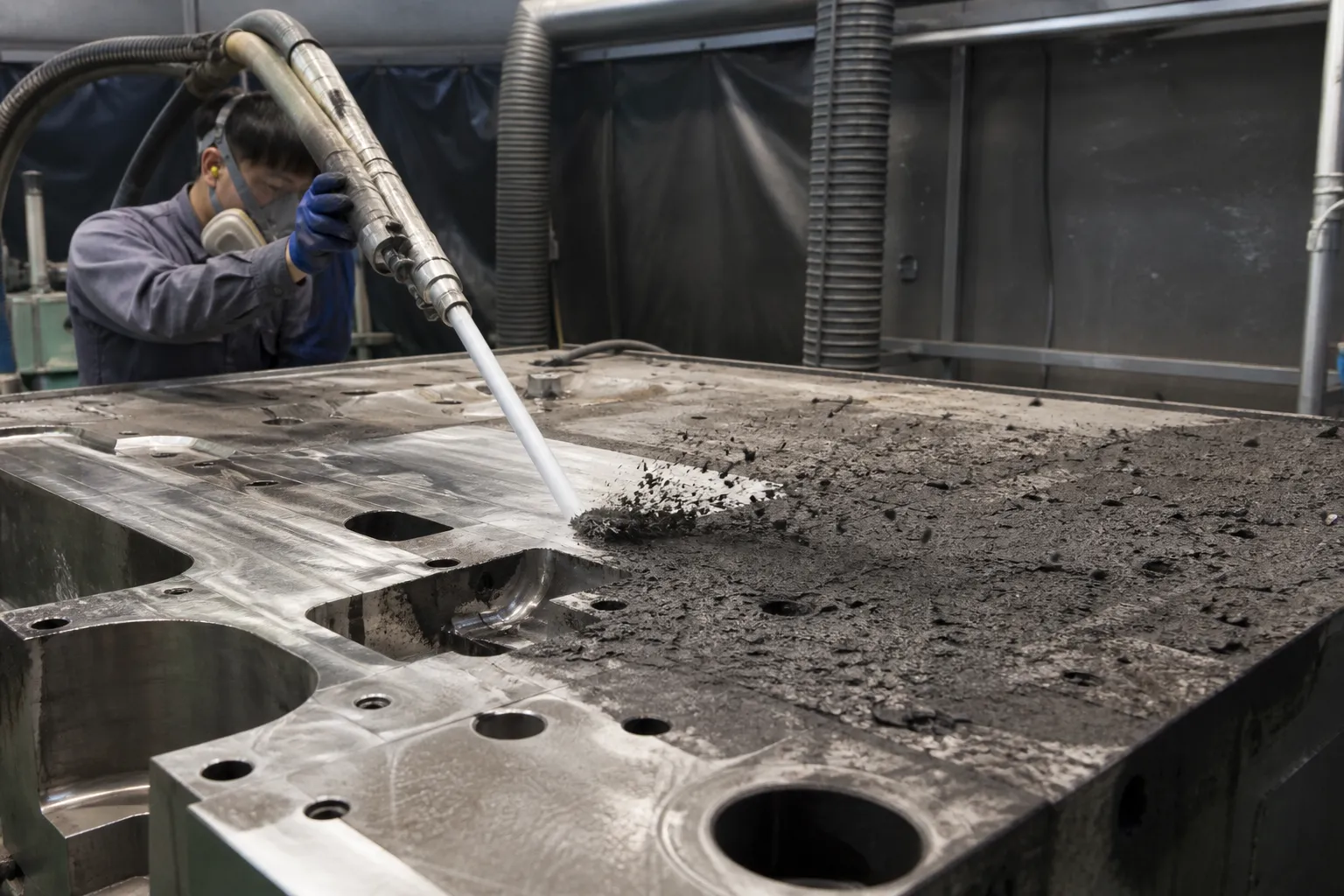
1. Basic Components of Dry Ice Blasting
A typical system includes dry ice pellets, a feed unit, compressed air, hose, blast gun, and nozzle. Pellets enter the air stream, accelerate, and strike the contaminated surface. Equipment performance, air quality, hose length, nozzle type, and pellet condition all affect the actual cleaning result, so the process is more than simply “spraying with dry ice.”
In real projects, this point should be confirmed before an enquiry, trial, or production scheduling, rather than adjusted at the last minute after the product arrives. Recording the key information in an internal requirements sheet allows purchasing, operations, and logistics teams to communicate against the same conditions. For this topic, it is also advisable to record the current practice, the metrics to be improved, and unacceptable risks, so that later comparisons are based on more than subjective impressions.
2. Impact Helps Break Contaminant Adhesion
When high-speed pellets strike the surface, they exert a mechanical effect on the contaminant layer and help loosen brittle or weakly bonded residue. Different contaminants and substrates require different blasting intensity. Operators must balance removal capability with surface protection and avoid unsuitable parameters chosen only to increase speed.
Turn this judgement into actionable checks: who is responsible for confirmation, when it must be confirmed, and who must be notified if conditions change. Once the process is clear, many losses and delays that appear to be product problems can be prevented. Where several departments are involved, assign equipment, packaging, receiving, and on-site operating responsibilities separately instead of leaving the information in verbal discussions.
3. Temperature Differential Affects the Contaminant Layer
Dry ice is extremely cold. When it contacts a contaminant layer, it may create a local temperature differential that causes the contaminant and substrate to contract differently, helping the layer crack or separate. This mechanism does not mean every material will be safe or respond effectively, so coatings, brittle materials, seals, and precision surfaces should be tested first.
For business users, the most useful outcome is not an abstract conclusion, but a solution they can verify against their own equipment, packaging, route, and operating environment. Where necessary, validate it through a small-scale trial or historical records before using the result for bulk purchasing. Trials should use representative cargo, contaminants, environments, or transit durations wherever possible, while retaining basic data such as photographs, temperature, quantity used, or operating time.
4. Sublimation Reduces Cleaning-Media Residue
Dry ice pellets sublimate into carbon dioxide gas during cleaning, so they do not leave the same form of cleaning-media residue as sand, water, or chemical cleaners. This is useful in some settings where water is unsuitable or abrasive recovery is difficult. Removed oil, dust, coatings, and other contaminants still remain, however, and their dispersal must be controlled and the material handled properly.
Conditions can change between batches or seasons. Please retain receiving and usage records so you can review product condition and usage feedback with us. Ongoing review helps the team distinguish the effects of product form, packaging, transport waiting time, and on-site handling. When results vary significantly, identify what conditions changed before adjusting procurement or process parameters, rather than immediately attributing the issue to the product itself.
5. Suitability Depends on Site Conditions
Dry ice blasting is often used on molds, some machinery, production-line maintenance, localised oil, and residue removal. If the contamination is extremely thick, the substrate is sensitive to temperature differential, ventilation is inadequate, waste cannot be collected, or compressed air is not permitted, reassess whether the method is suitable or whether it should be combined with another cleaning method.
If the application involves sensitive cargo, regulated areas, or densely occupied locations, connect this point with the site’s safety, quality, or hygiene procedures. A technical choice can only deliver stable results when it is embedded in actual procedures. The project owner should also confirm that operators understand the boundaries, such as where work is permitted, which materials must be isolated, and which abnormalities require work to stop and be reported.
6. Safety and Work Controls Cannot Be Ignored
Dry ice and high-speed air streams present risks from low temperature, noise, flying debris, compressed air, and carbon dioxide accumulation. Before work begins, check ventilation, PPE, equipment condition, work-area isolation, and the waste-collection method. Food, electronic, or regulated areas may also require additional hygiene, equipment, and permit controls.
We supply dry ice pellets for blasting. Share equipment requirements, the cleaning target and expected consumption so we can confirm pellet specifications and delivery; the cleaning process still needs site validation.
7. Do Not Replace Site Judgement with a Single Experience
A common mistake is interpreting “no secondary cleaning medium” as “no site cleanup.” Dry ice sublimates, but the original contamination does not disappear. The cleaning plan still needs collection, filtration, area clearance, and acceptance steps.
For dry ice projects, the product, packaging, transport, and operation all interact. Recheck key conditions for a first engagement, route change, equipment replacement, or seasonal change instead of copying past quantities, forms, or process parameters. Turning experience into a checkable process is how consistency is maintained across personnel and projects.
8. Discuss Dry Ice for Your Blasting Process
When supplying pellets for dry ice blasting, we recommend that customers confirm the feed specification permitted by the cleaning machine, actual work frequency, transport time, and on-site storage conditions. Stable pellet condition and a suitable delivery rhythm are the foundation of cleaning continuity.
Share trial records of pellet consumption, equipment feeding and delivered condition to inform later supply discussions. Your site team remains responsible for confirming substrate suitability and safe operation.
9. Turn Selection Principles into a Routine Process
For “What Is Dry Ice Blasting and How Does It Work?” companies can turn the key judgements in this article into a routine process: collect application and timing information when a requirement is raised, confirm product form and packaging before purchasing, record condition on arrival, and review the actual result after use. The purpose is not to add forms, but to leave reusable evidence from every purchase, cleaning job, or shipment. For recurring operations, a concise process can reduce uncertainty caused by personnel changes, last-minute communication, and differences in individual experience.
When operating conditions change—for example, when equipment is replaced, container design or routes change, hot weather begins, or usage frequency increases—the existing rules should be revalidated. Companies can first test the new arrangement with a small batch or representative task, then revise order quantities, packaging, and operating arrangements from the results. Connecting validation, records, and improvement is what turns dry ice from a single consumable into a supply-chain and process resource that can be managed consistently.
Conclusion
The key to “What Is Dry Ice Blasting and How Does It Work?” is not finding a universal answer, but evaluating product characteristics, the actual application, packaging and transport, and on-site operation within one decision framework. For companies that use dry ice over the long term, we recommend defining requirements first, then validating them on a small scale, and finally establishing stable purchasing and use standards. This can improve the result while making cost, quality, and safety management more controllable.
Check the equipment’s permitted media specification and operating conditions before purchasing. Providing these details helps us align pellet supply with your cleaning schedule.
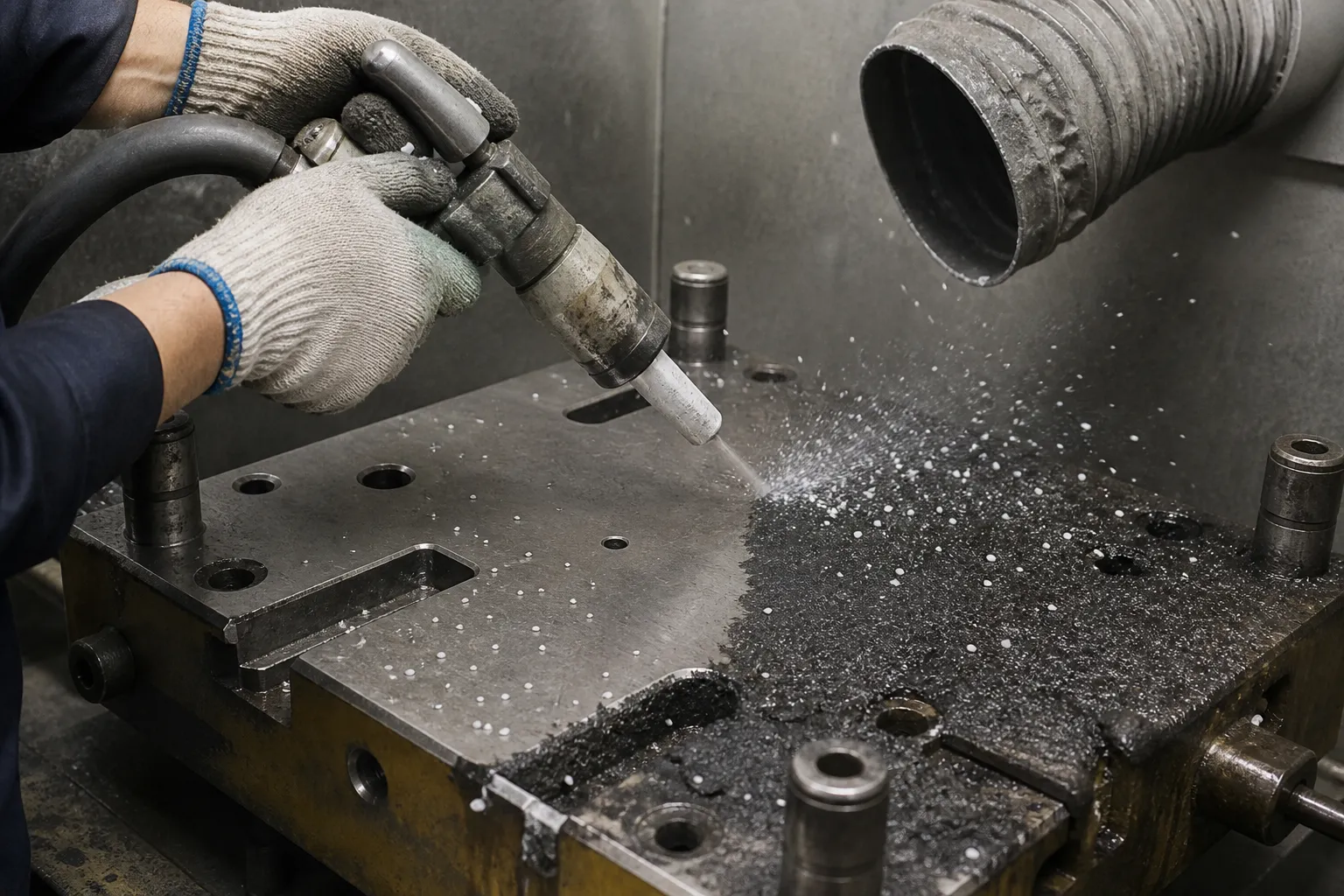
Continue your dry ice research
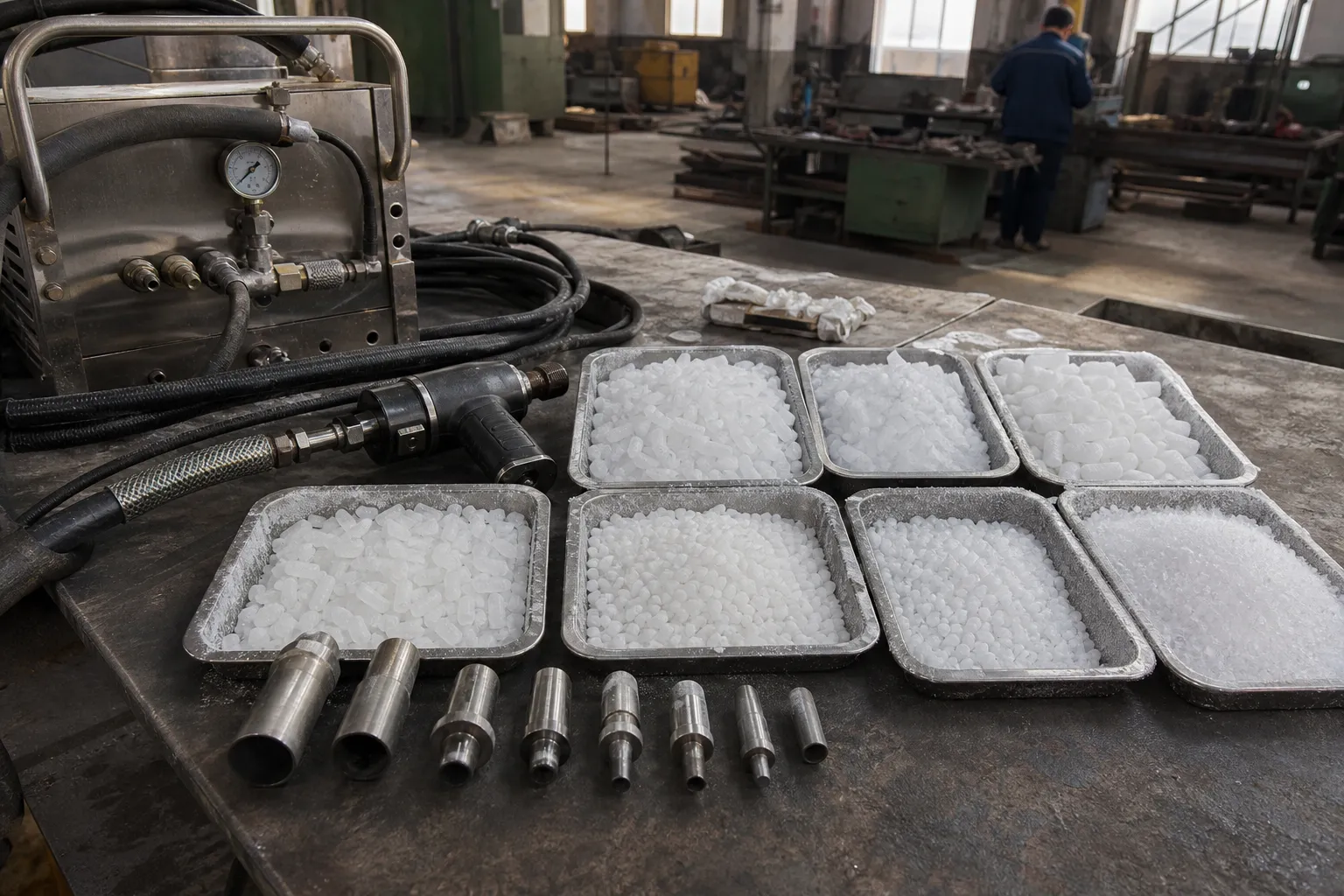
How to Choose the Right Dry Ice Pellet Size for Your Application
Pellet specifications affect feeding, blasting, contact area, and packaging turnover, so selection should use equipment, application, site handling, and trial data.
Read guide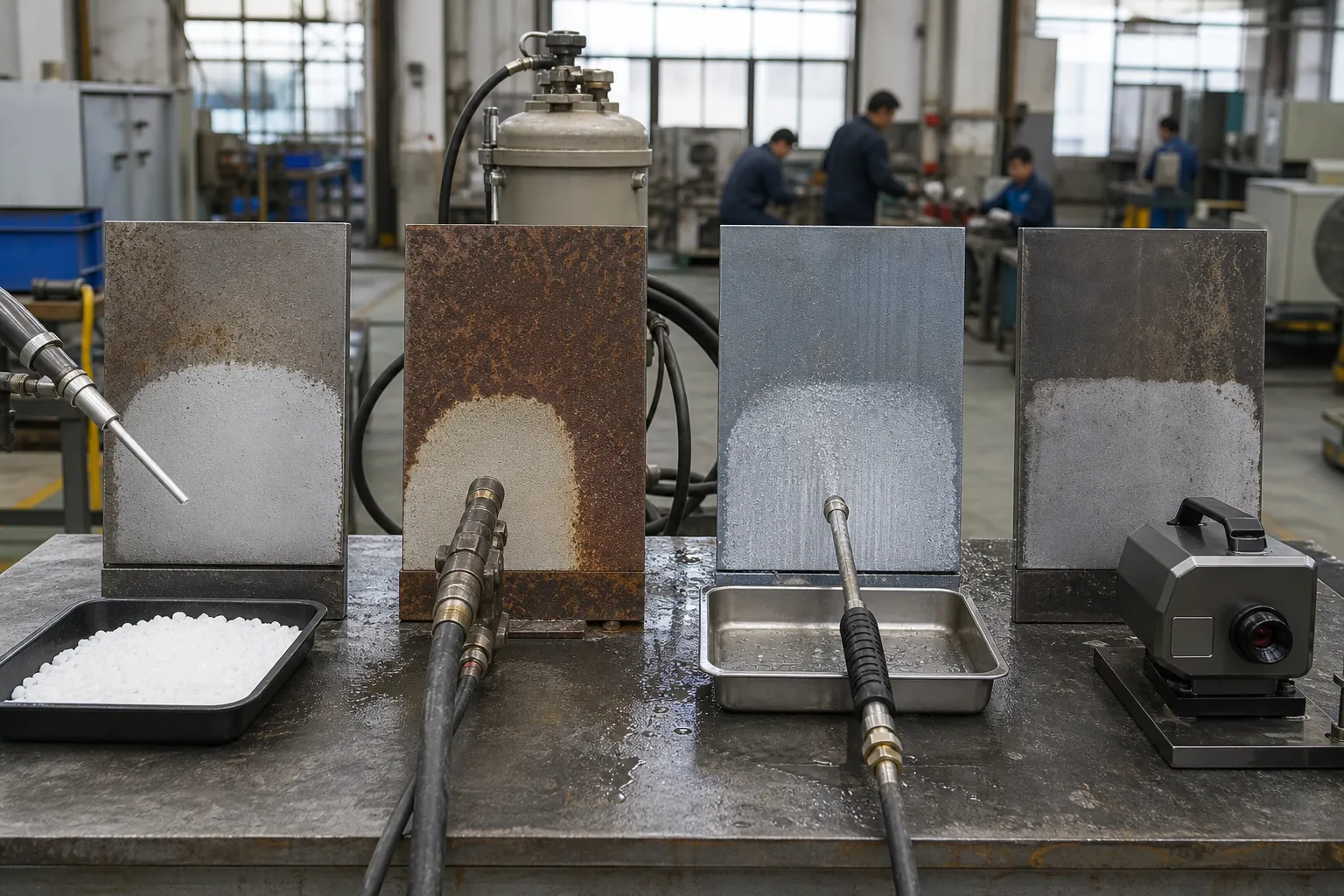
Dry Ice Blasting vs Sandblasting vs Water Blasting vs Laser Cleaning
Cleaning methods should be compared through the contaminant, substrate, residue pathway, and representative site trials—not by equipment name alone.
Read guide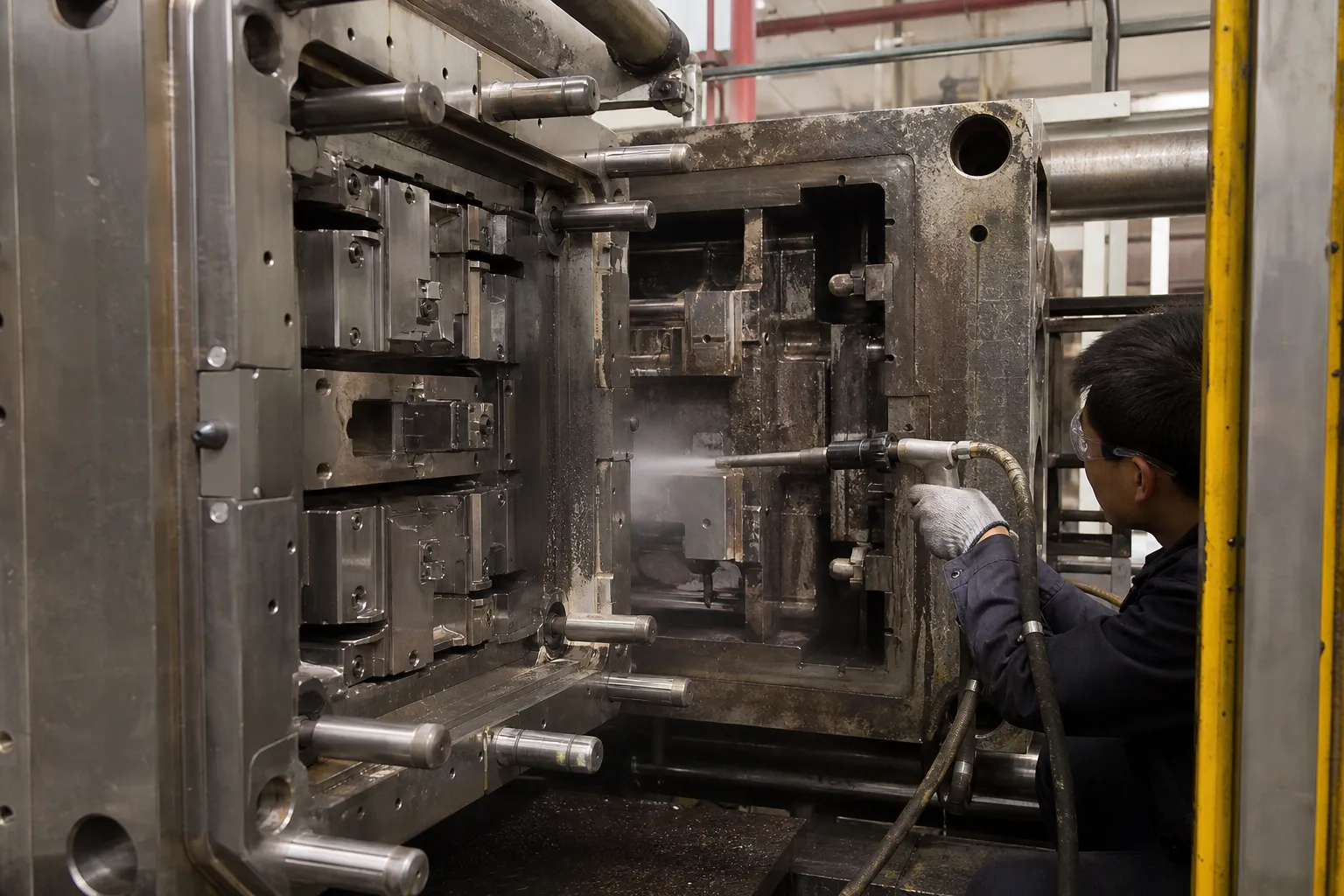
Dry Ice Cleaning Applications: Molds, Electronics, Food Plants and Industrial Equipment
Each industrial cleaning scenario needs a separate review of the contaminant, substrate, accessibility, site risks, pellets, and equipment parameters.
Read guide