
Dry Ice Storage, Handling and Sublimation
Dry ice storage and handling should balance insulation, pressure relief, ventilation, low-temperature protection, and dispensing records, with personnel safety first.

1. Choose a Storage Container Suitable for Dry Ice
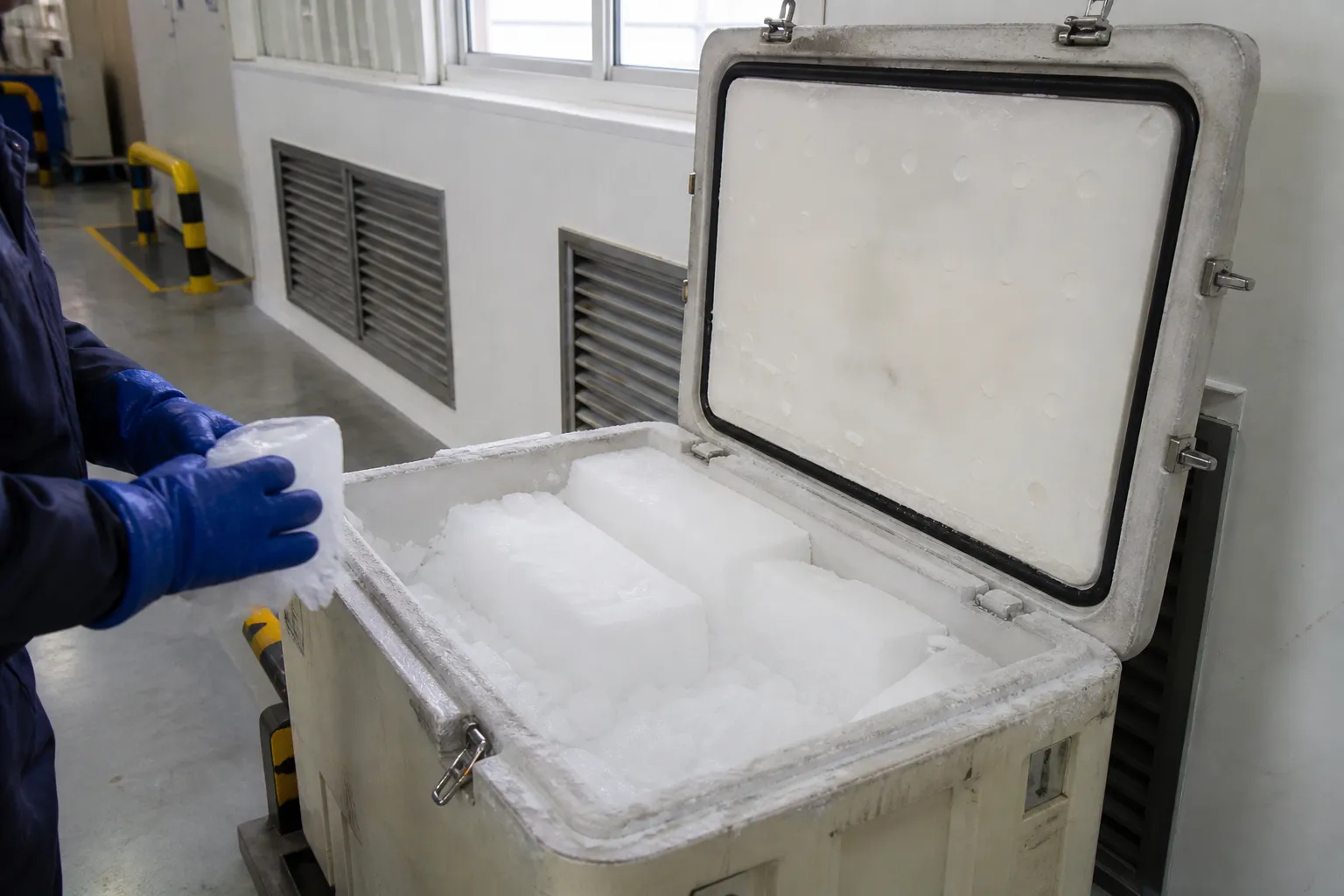
A storage container should provide adequate insulation while allowing sublimated gas to escape safely. Its size should match inventory and dispensing frequency: an oversized empty container increases heat entry, while a fully sealed one may create a pressure hazard. Ordinary sealed containers and equipment without ventilation should not be treated as long-term dry ice storage solutions.
In real projects, this point should be confirmed before an enquiry, trial, or production scheduling, rather than adjusted at the last minute after the product arrives. Recording the key information in an internal requirements sheet allows purchasing, operations, and logistics teams to communicate against the same conditions. For this topic, it is also advisable to record the current practice, the metrics to be improved, and unacceptable risks, so that later comparisons are based on more than subjective impressions.
2. The Storage Location Needs Ventilation and Management
Dry ice should not be placed in a small enclosed room, an unventilated underground area, a sealed vehicle, or a confined space where people remain for long periods. The storage point should be easy for relevant personnel to identify, have reasonable ventilation, and define who is responsible for dispensing, inventory checks, and exception handling. Large quantities or special locations should also be assessed against local safety requirements.
Turn this judgement into actionable checks: who is responsible for confirmation, when it must be confirmed, and who must be notified if conditions change. Once the process is clear, many losses and delays that appear to be product problems can be prevented. Where several departments are involved, assign equipment, packaging, receiving, and on-site operating responsibilities separately instead of leaving the information in verbal discussions.
3. Operators Need Low-Temperature Protection
Dry ice is extremely cold, and direct contact can cause cold burns. Use gloves, tongs, or other tools suited to low-temperature work when dispensing, dividing, or placing it. Do not handle it with bare hands or place it in clothing pockets, sealed jars, or ordinary beverage containers.
For business users, the most useful outcome is not an abstract conclusion, but a solution they can verify against their own equipment, packaging, route, and operating environment. Where necessary, validate it through a small-scale trial or historical records before using the result for bulk purchasing. Trials should use representative cargo, contaminants, environments, or transit durations wherever possible, while retaining basic data such as photographs, temperature, quantity used, or operating time.
4. Reduce Opening Losses through a Planned Order of Use
Every opening allows heat to enter, so prepare a dispensing plan in advance and reduce long openings through first-in-first-out use and allocation by shift. Where small quantities are needed, arrange a suitable turnover container under safe conditions to avoid repeatedly opening the main container or leaving it exposed for long periods.
Conditions can change between batches or seasons. Please retain receiving and usage records so you can review product condition and usage feedback with us. Ongoing review helps the team distinguish the effects of product form, packaging, transport waiting time, and on-site handling. When results vary significantly, identify what conditions changed before adjusting procurement or process parameters, rather than immediately attributing the issue to the product itself.
5. Record Sublimation to Improve Purchasing
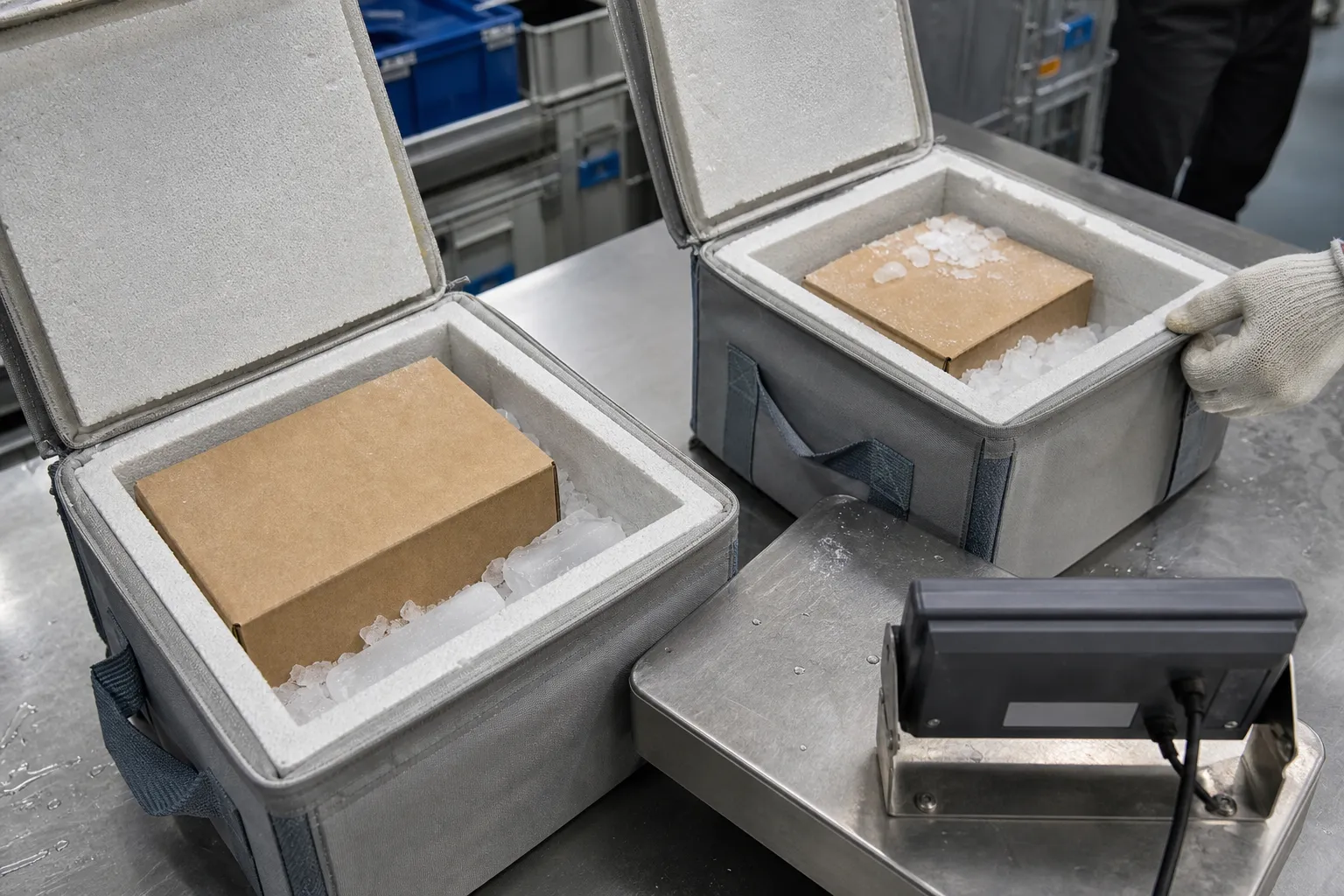
A company can record arrival time, starting weight, quantity dispensed, container type, environmental conditions, and remaining quantity to understand its typical sublimation performance. This supports more accurate ordering frequency, packaging specifications, and inventory limits and helps avoid overbuying or unexpected shortages caused by insufficient experience.
If the application involves sensitive cargo, regulated areas, or densely occupied locations, connect this point with the site’s safety, quality, or hygiene procedures. A technical choice can only deliver stable results when it is embedded in actual procedures. The project owner should also confirm that operators understand the boundaries, such as where work is permitted, which materials must be isolated, and which abnormalities require work to stop and be reported.
6. Put Personnel Safety First in an Abnormal Situation
If a storage or transport area has inadequate ventilation, a person feels unwell, a package shows abnormal pressure, a container is damaged, or a large quantity of dry ice is released, first prevent people from entering the hazardous space and follow the site’s emergency procedure. Do not handle a dry ice incident alone in an enclosed area where the atmosphere is unknown.
Describe the storage location, container, dispensing sequence and expected turnaround after delivery. We will discuss packaging and supply arrangements; ventilation and personal protection must still be provided on site.
7. Do Not Replace Site Judgement with a Single Experience
A common mistake is wrapping dry ice as tightly as possible to reduce sublimation. Dry ice needs insulation, but it also needs a safe route for carbon dioxide gas to escape. Correct storage practice addresses both at the same time.
For dry ice projects, the product, packaging, transport, and operation all interact. Recheck key conditions for a first engagement, route change, equipment replacement, or seasonal change instead of copying past quantities, forms, or process parameters. Turning experience into a checkable process is how consistency is maintained across personnel and projects.
8. Coordinate Receiving and Use with Us
Before purchasing, we recommend confirming the storage container, dispensing frequency, ventilation conditions, and expected use window. For bulk storage, special locations, or onward transport, follow the actual carrier’s requirements, applicable regulations, and site safety-management requirements.
If dispensing frequency or storage containers change, tell us your updated quantity and delivery requirements. We will review later supply arrangements; your site team must confirm suitable storage and handling conditions. Where ventilation, packaging, marking, net weight, documentation, quantity, or carrier restrictions are involved, always follow the latest requirements of the actual carrier and applicable regulations; this article is not a substitute for shipment-specific compliance decisions.
9. Turn Selection Principles into a Routine Process
For “Dry Ice Storage, Handling and Sublimation,” companies can turn the key judgements in this article into a routine process: collect application and timing information when a requirement is raised, confirm product form and packaging before purchasing, record condition on arrival, and review the actual result after use. The purpose is not to add forms, but to leave reusable evidence from every purchase, cleaning job, or shipment. For recurring operations, a concise process can reduce uncertainty caused by personnel changes, last-minute communication, and differences in individual experience.
When operating conditions change—for example, when equipment is replaced, container design or routes change, hot weather begins, or usage frequency increases—the existing rules should be revalidated. Companies can first test the new arrangement with a small batch or representative task, then revise order quantities, packaging, and operating arrangements from the results. Connecting validation, records, and improvement is what turns dry ice from a single consumable into a supply-chain and process resource that can be managed consistently.
Conclusion
The key to “Dry Ice Storage, Handling and Sublimation” is not finding a universal answer, but evaluating product characteristics, the actual application, packaging and transport, and on-site operation within one decision framework. For companies that use dry ice over the long term, we recommend defining requirements first, then validating them on a small scale, and finally establishing stable purchasing and use standards. This can improve the result while making cost, quality, and safety management more controllable.
Include receiving time, opening frequency and remaining quantity in your usage records. Sharing these details helps us review ordering quantities against your actual turnaround.
Continue your dry ice research
How Long Does Dry Ice Last? Sublimation, Storage and Handling Guide
Dry ice holding time is not fixed; establish site rules around the insulated container, form, environment, opening frequency, and measured performance.
Read guide
Bulk Dry Ice Buying Guide: Quality, Packaging, Supply Capacity and Supplier Evaluation
Base bulk purchasing on actual consumption and usable condition on arrival, then improve orders through packaging, delivery milestones, and acceptance records.
Read guide
How to Ship with Dry Ice Safely: Packaging, Ventilation and UN 1845 Basics
Safe dry ice transport requires pressure-relieving packaging, ventilation, clear information, personnel protection, and shipment-by-shipment carrier confirmation.
Read guide