
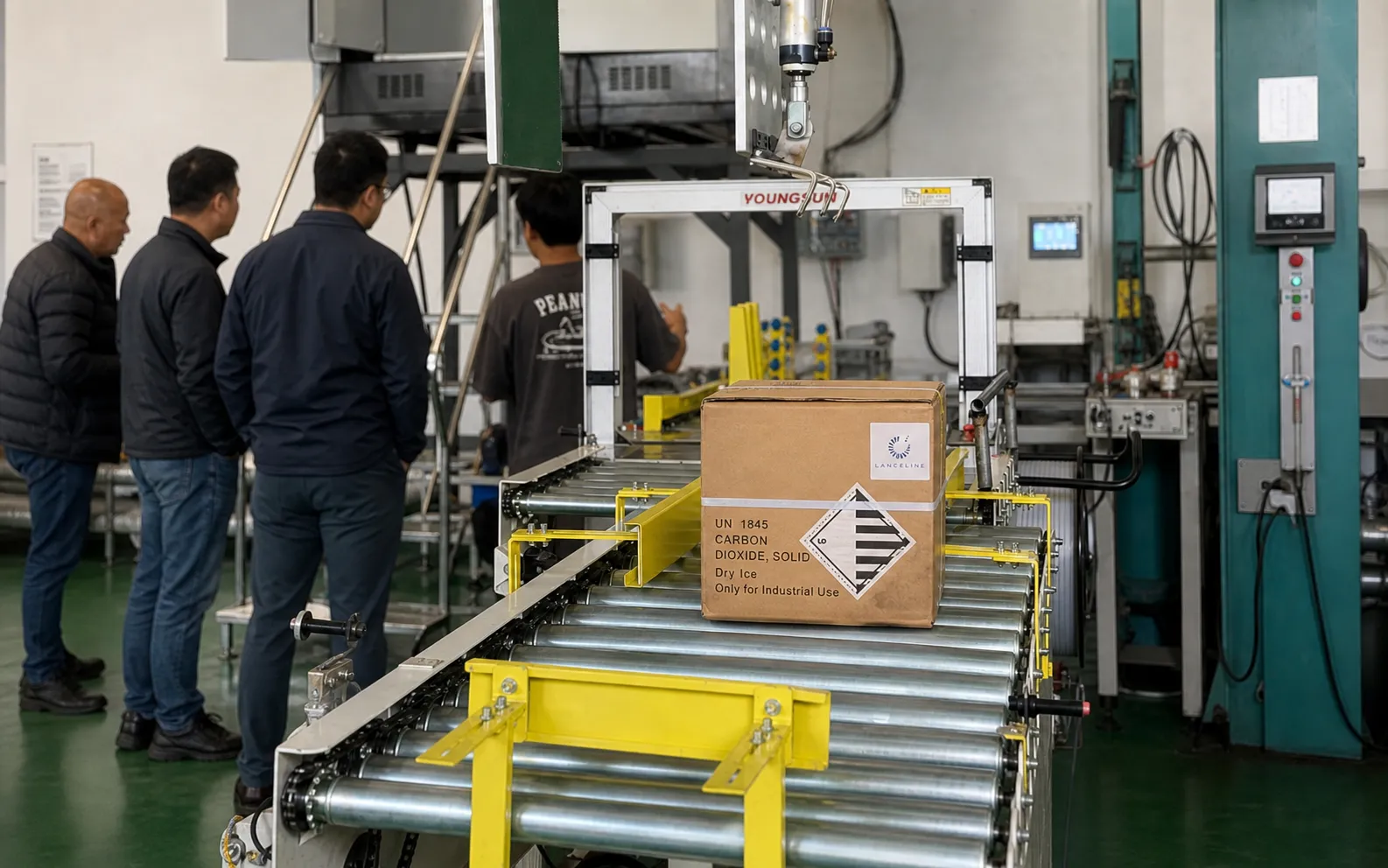
A practical conversation begins with an on-site visit
For dry ice, buyers usually look beyond the finished product. They also need to understand whether production, packing and dispatch can be coordinated in a stable, traceable way. On March 3, a prospective customer met with the factory team to discuss its operating context, procurement priorities, delivery rhythm and the points that matter most in cooperation.
A closer look at dry ice production
Accompanied by the factory team, the visitor reviewed the production area, temporary product handling, packaging preparation and dispatch connection. The visit covered how raw-material support, equipment operation, forming, specification handling and packing are coordinated around the order schedule, because dry ice naturally sublimates and production cannot be separated from packing, handling and transport timing.
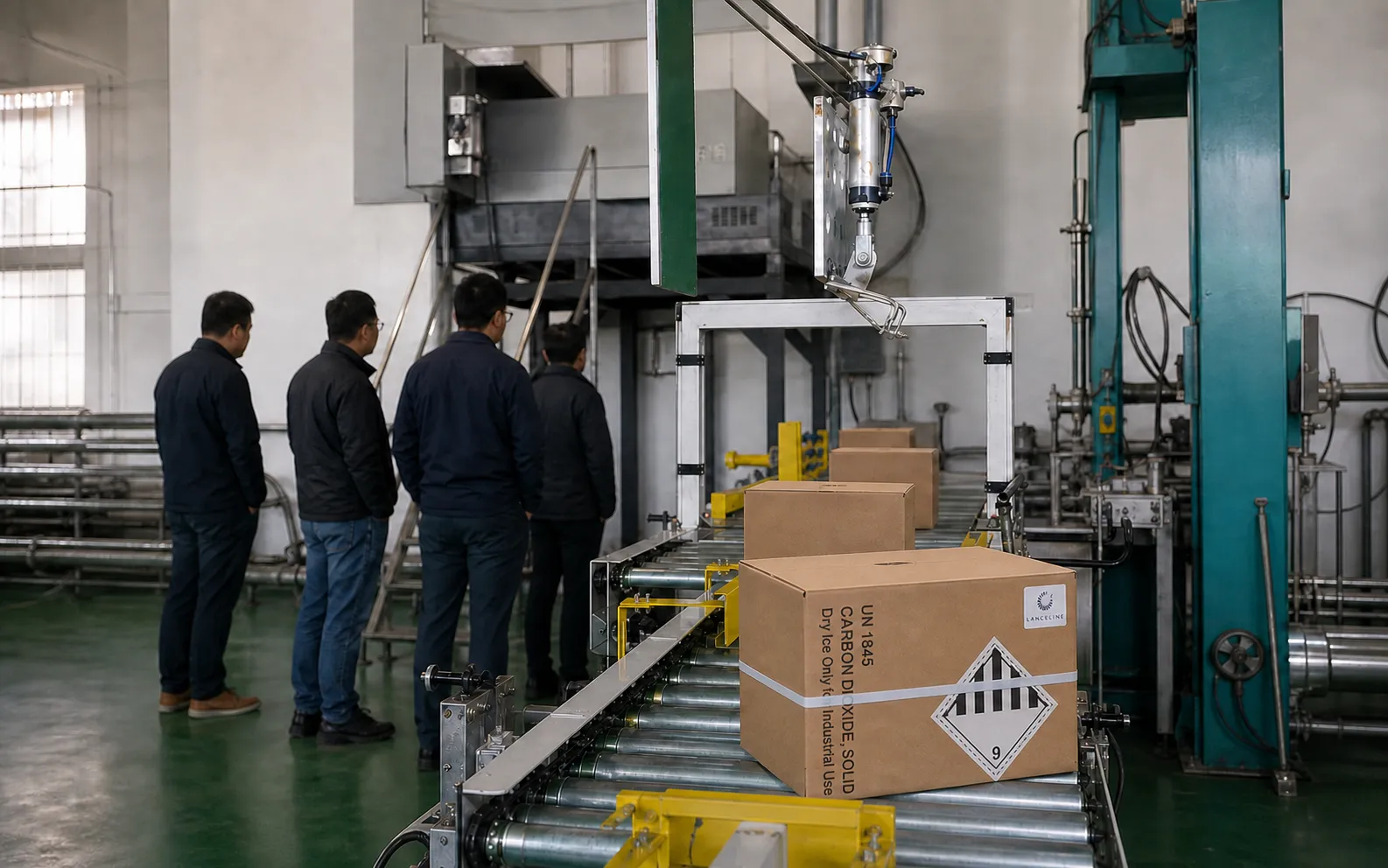
Quality and safe handling in the discussion
The conversation also covered quality control, packaging protection, storage conditions and transport precautions for dry ice used in cold-chain logistics, food preservation, industrial cleaning and laboratory work. The discussion covered information that should be confirmed early, including intended use, expected transit time, receiving-side storage conditions and whether split dispatch may be needed.
Discussing cooperation from actual needs
After the factory review, both sides discussed possible cooperation with attention to supply consistency, response efficiency, product fit and service coordination. A key point was that workable arrangements should begin with the buyer's application, purchasing practice and timing requirements, rather than a one-size-fits-all service model.
Building trust through transparent service
A factory visit gives buyers a direct view of the operating environment, production order and working approach. The visit included an open discussion of production and service arrangements, including points requiring coordination. The visitor's questions and suggestions were recorded for follow-up.
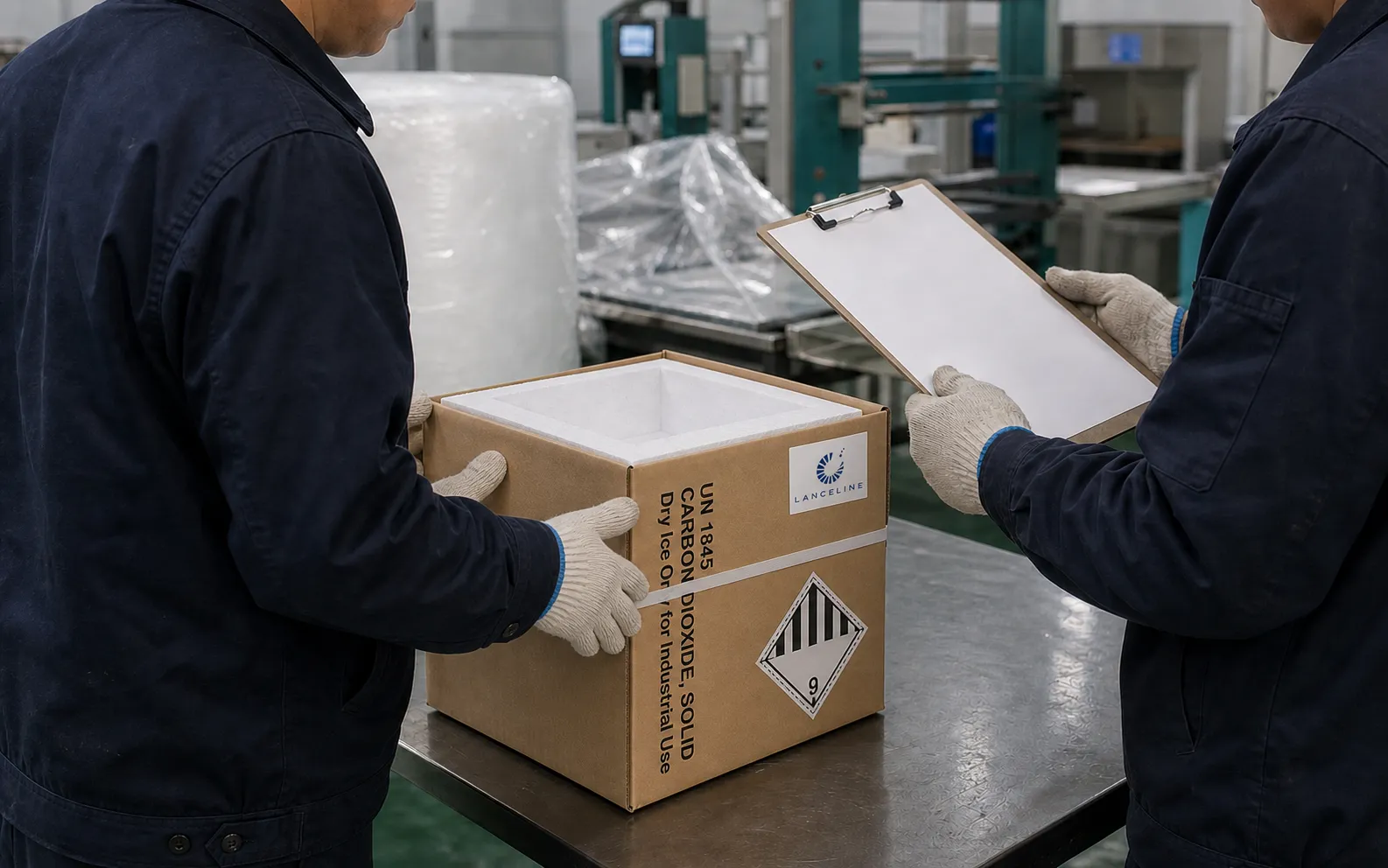
Turning one visit into a continuing conversation
At the end of the visit, both sides reviewed the day's discussion and identified the next communication directions. The visit also provided an opportunity to understand market needs, examine service details and better align production, packing and delivery handover with buyer requirements.
Following through with continuous improvement
The next step is to turn agreed communication into workable actions. Before cooperation moves forward, the next discussions will aim to clarify product form, application, delivery timing, contacts and confirmation methods so that both parties are working from the same information and avoid preventable misunderstandings.
Welcoming more partners to visit
Prospective partners are welcome to arrange a factory visit and discuss questions relevant to their application. Subject to site safety and management requirements, the visit can cover the relevant production, packing and service arrangements and include a discussion of the buyer's operating conditions.
Conclusion
The March 3 visit created a direct opportunity to understand each other. It helped the visitor see the production environment, management approach and service attitude, while clarifying expectations for stable supply, professional communication and long-term coordination.